 FabricKnowledge Lab
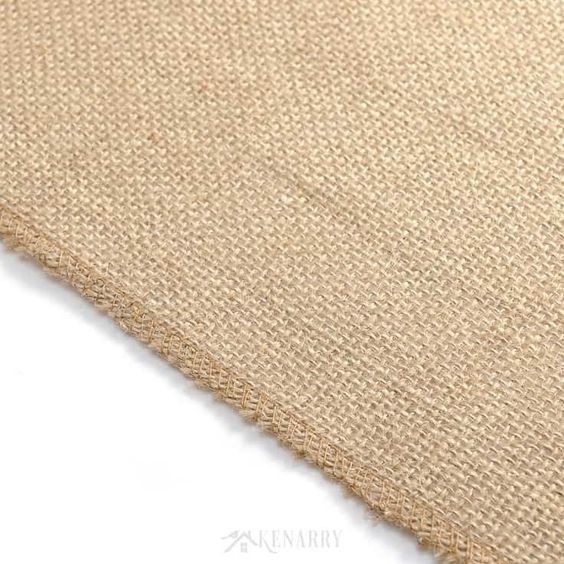
Why jute often feels unlike cotton
Jute is a plant fiber rich in cellulose and lignin, commonly associated with burlap and other visibly coarse textiles. Sewport describes long fibers extracted from mature stalks and notes that thick yarns often form relatively open woven structures. Its roughness helps explain why jute is less common than cotton in clothing worn directly against the skin. A natural origin alone does not establish a soft apparel fabric. The fiber's own character and the amount of processing it receives both influence where it is most useful.
Retting releases the usable fiber
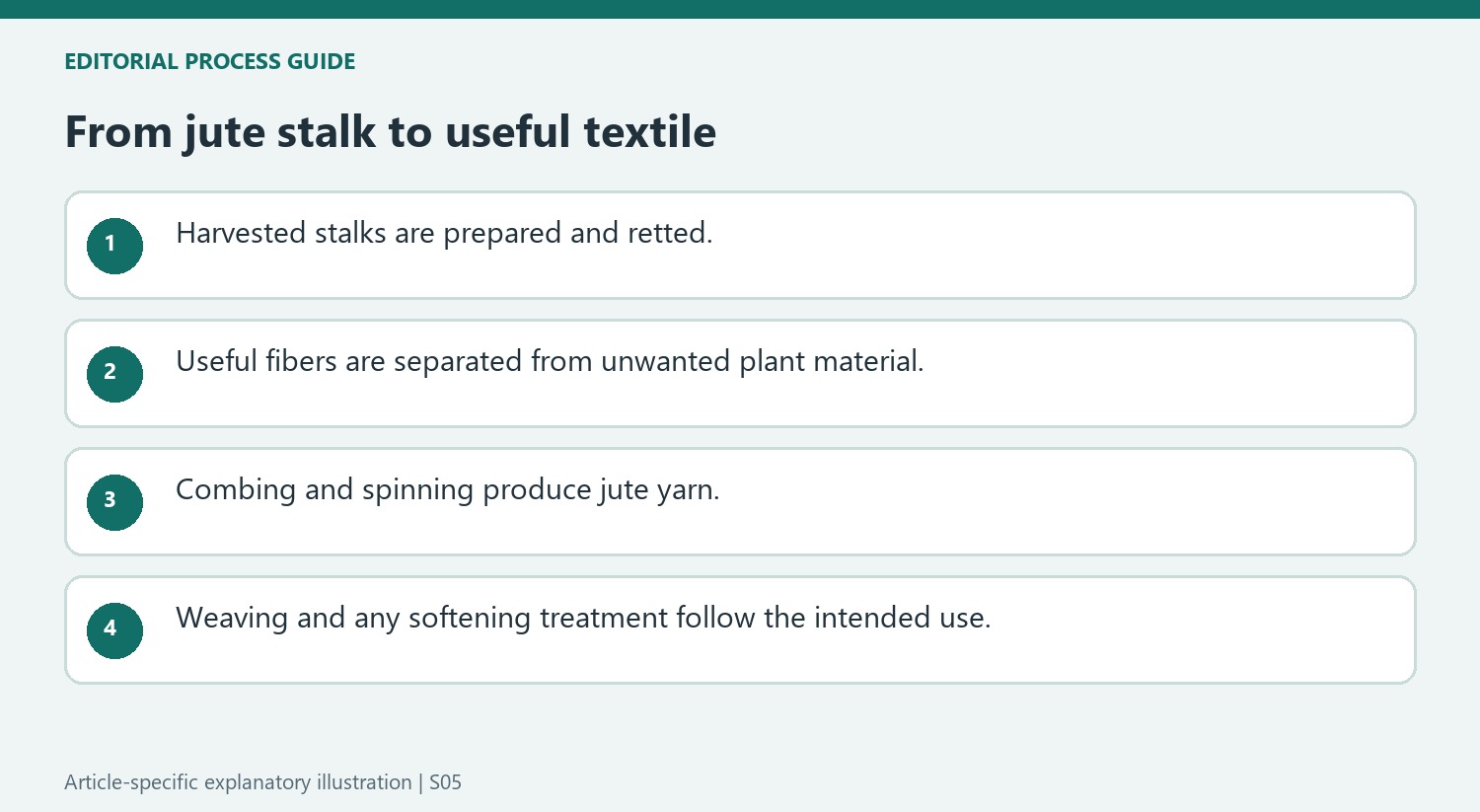
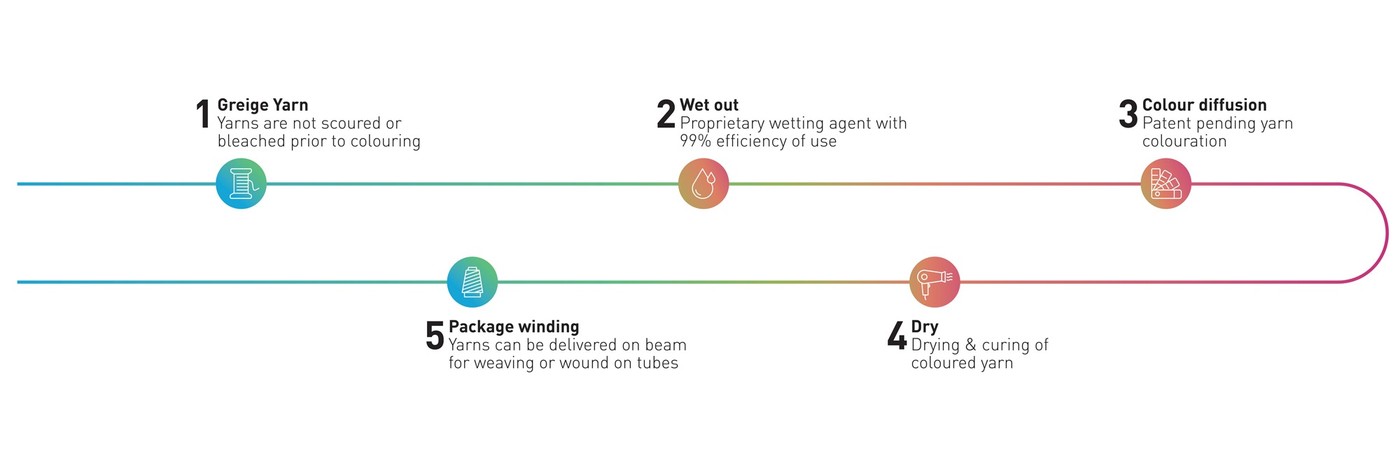
The source describes harvesting and stripping stalks, then using retting to soften the material surrounding the fiber. The released strands are separated, combed, and spun into yarn before weaving. Further treatments can change color or add particular properties. When the intended use is apparel, manufacturers may apply additional softening processes to reduce the rough feel. Industrial textiles do not necessarily need that same degree of softening. The processing sequence therefore depends partly on whether the finished product is a garment, a sack, a floor covering, or another functional textile.
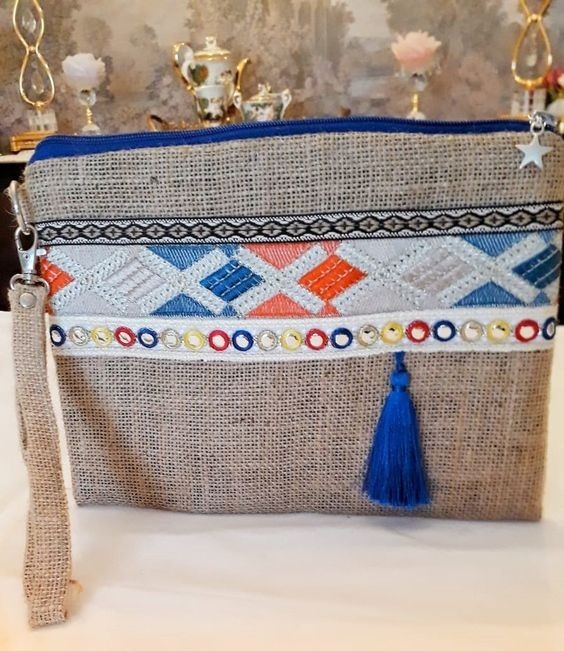
Match the application to the material
Traditional jute uses include sacks, ropes, rugs, carpet components, and agricultural fabrics. Sewport discusses wrapping around young tree roots and fabric used to help control erosion, applications in which eventual biodegradation can be useful. That same plant-based character means jute should not be assumed to provide indefinite durability outdoors. The guide also mentions upholstery and selected garments, but these do not make every burlap-like fabric suitable for skin contact. Examine the actual weave, finish, and intended use before substituting one jute product for another with a very different purpose or expected service life.
The harvested stalk needs several preparation stages
Sewport describes jute production as a sequence beginning with mature stalks and the removal of leaves. Retting softens the surrounding material so that the useful fibers can be separated. The recovered material is then combed into strands and spun into yarn before it becomes woven cloth. These steps explain why a long plant fiber is not equivalent to a ready-made rope or sack. The final product depends on the preparation, yarn and construction chosen after harvesting. A coarse open weave and a more extensively softened textile may begin with the same fiber category but reach very different surfaces. The production sequence is therefore useful for interpreting the wide variety of products sold under the jute name.
Roughness is useful in some products and limiting in others
The guide places sacks, ropes, rugs, carpet components and agricultural textiles among jute's established uses. In these applications, a relatively coarse surface is not necessarily a disadvantage, because the textile is not selected primarily for softness against skin. Clothing requires a different evaluation. Sewport describes additional softening methods for apparel, which shows why an industrial jute sample is a poor substitute for handling the actual garment material. When comparing products, ask what the surface needs to do and where it will make contact. The same visibly thick yarn that creates an appealing rustic bag can feel inappropriate for an unlined garment. End use gives the texture a practical meaning rather than treating roughness as either universally desirable or universally defective.
Distinguish temporary agricultural roles from permanent exposure
The source describes erosion-control material and protective wrappings around young tree roots. These uses make sense partly because a plant-based textile can serve a purpose and then break down under suitable conditions. That is different from choosing a material expected to remain unchanged through prolonged outdoor service. A natural origin should not be read as a promise of indefinite weather resistance. Likewise, jute's use in packaging does not establish that every finished bag is suitable for every moisture condition. Check whether the specific product has a lining, coating or treatment and what the manufacturer says it can withstand. This connects the fiber's broader characteristics to the requirements of the actual item, without assuming that an agricultural mesh, indoor rug and reusable shopping bag all have one performance specification.



Comments
0