 FabricKnowledge Lab
Similar colors do not mean the same weave
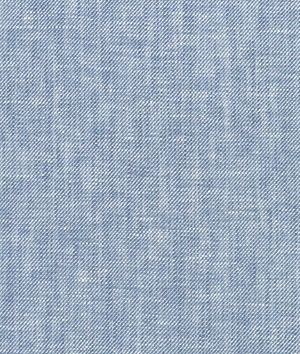
Chambray can resemble denim because both commonly combine a colored warp with a lighter weft. The important difference lies in how those yarns interlace. Chambray uses a plain weave with alternating over-and-under crossings. Denim uses a twill structure instead. Sewport explains that this produces a lighter, more breathable character in chambray and a different relationship between the two fabric faces. Identifying a blue cotton by color alone can therefore be misleading: similar yarn colors can be organized into fabrics with different weight, appearance, and behavior.
The fiber and the construction are separate
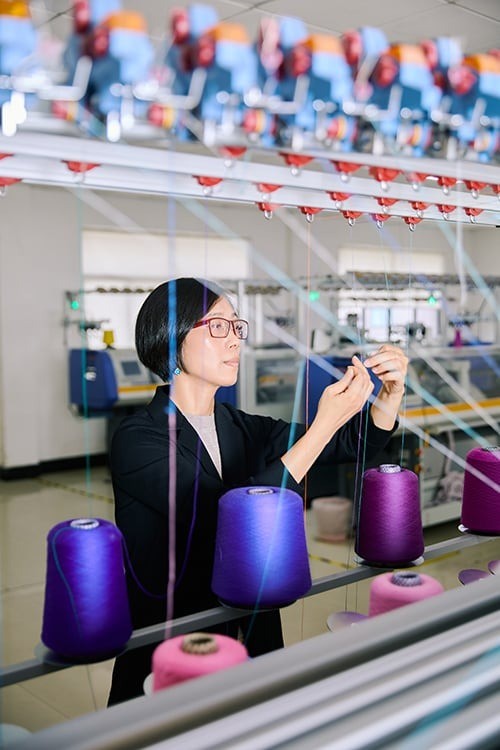
Modern chambray is commonly cotton, although the source discusses historical versions made with linen and silk. Cotton is cleaned, carded, prepared, and spun before it reaches the loom. At that point, yarn quality and weaving decisions both matter. Longer-fiber cotton can contribute to a smoother textile, but the chambray name still refers to the characteristic woven construction rather than one premium fiber grade. This helps explain why different chambray products can share a recognizable look without having an identical softness, density, or price.
Choose it for the actual garment requirement
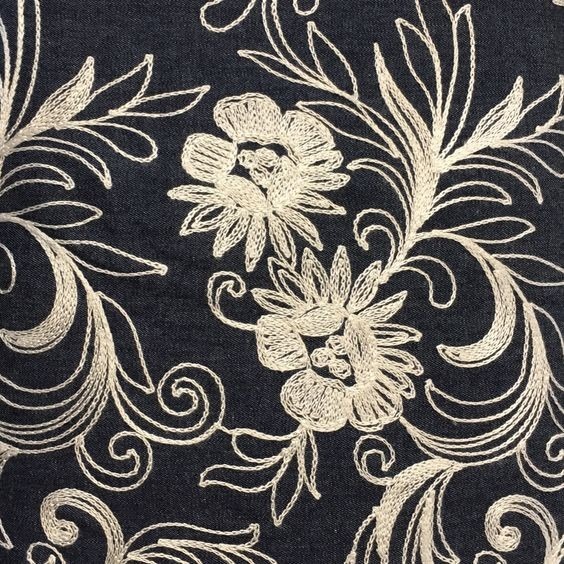
Sewport lists shirts, shorts, skirts, pants, light jackets, and fabric shoe uppers among chambray applications. A denim-like blue appearance can make it useful where the look of denim is wanted without the same fabric structure. The source also describes household applications, showing that the name is not limited to shirts. When examining a product, compare both faces and feel the cloth rather than judging only the photographs. Check its composition and care label separately. A visual resemblance to jeans does not establish that a chambray garment has the same abrasion resistance, thickness, or washing requirements as a particular denim garment.
Examine the crossings rather than the blue color
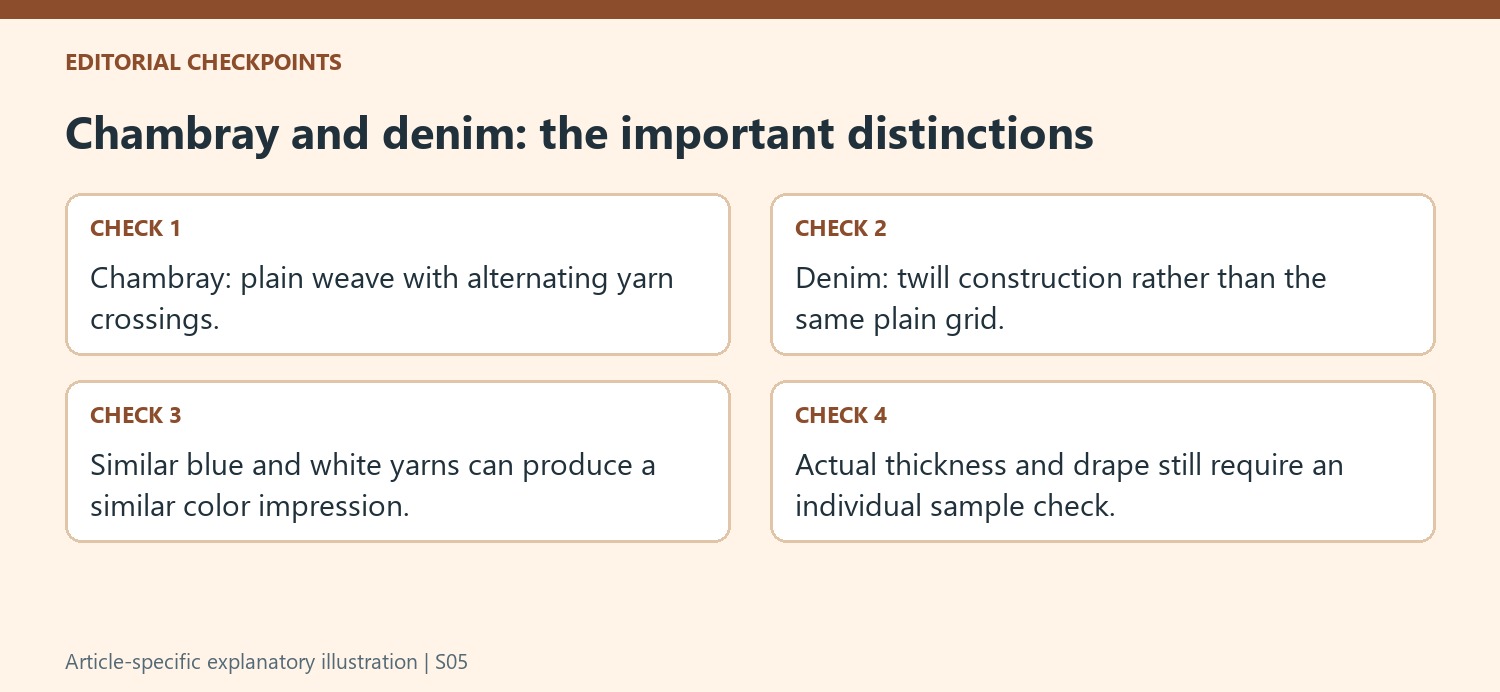
The same broad combination of colored lengthwise yarns and pale crosswise yarns can appear in both chambray and denim. Chambray's alternating crossings form a plain weave, while denim's twill organizes the yarns differently. The source uses that structural distinction to explain why the two textiles need not have the same character even when their colors look familiar. Turning a sample over and looking closely at its surface is therefore more informative than naming it from a distant photograph. A blue chambray shirt is not simply a thinner version of every pair of jeans; it belongs to a different construction, whose finished weight and handling must still be evaluated individually.
Understand why chambray appears beyond shirts
The guide includes shorts, skirts, trousers, lightweight jackets and shoe uppers among its clothing examples, together with household uses. This range follows from treating chambray as a way of constructing fabric rather than as the name of one garment. A maker can adapt the yarn and density to an intended product while retaining the recognizable woven relationship. When selecting cloth for a project, consider whether the actual sample has the support and fall required by the design. A sample suited to a relaxed shirt does not automatically provide the structure wanted for a jacket, even if a retailer lists both under the same fabric heading.
Read the material and finishing information together
Sewport discusses linen and silk in chambray's history as well as the cotton common in modern examples. That history is a reminder to check the fiber percentage instead of assuming that the weave name guarantees a single composition. Fiber choice influences production and handling, while the plain weave explains another part of the result. The guide's discussion of cost also includes raw material and yarn preparation, so appearance alone is an incomplete price comparison. Look at the stated composition, actual surface, and intended use together. For cleaning, the label on the finished garment remains more specific than resemblance to denim or a general assumption about how all blue woven fabrics should be washed. If the intended project relies on a denim appearance, compare color and texture as separate features. Chambray may provide the desired blue-and-white impression while changing how the garment falls, which is a design choice rather than a defect.


Comments
0