 FabricKnowledge Lab
Extra-long fibers define the material
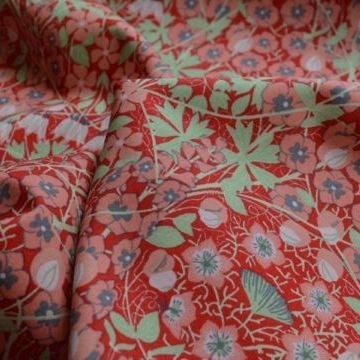
Pima belongs to the extra-long staple cotton group associated with Gossypium barbadense. Sewport describes its fibers as longer than those commonly used in ordinary short-staple cotton. This botanical and fiber-length distinction comes before a mill decides whether to make a shirt, a sheet, or another textile. Pima is therefore not one specific weave. A garment described as Pima cotton may have a different weight and structure from Pima bedding even though both draw on the same broad fiber category.
Processing turns the fibers into yarn
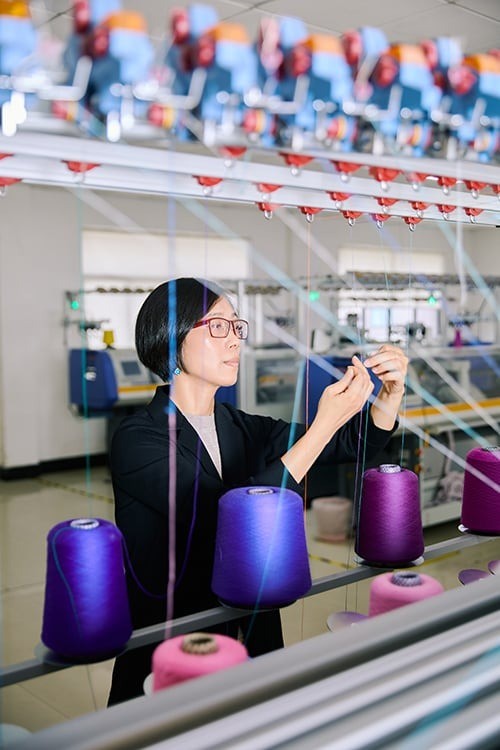
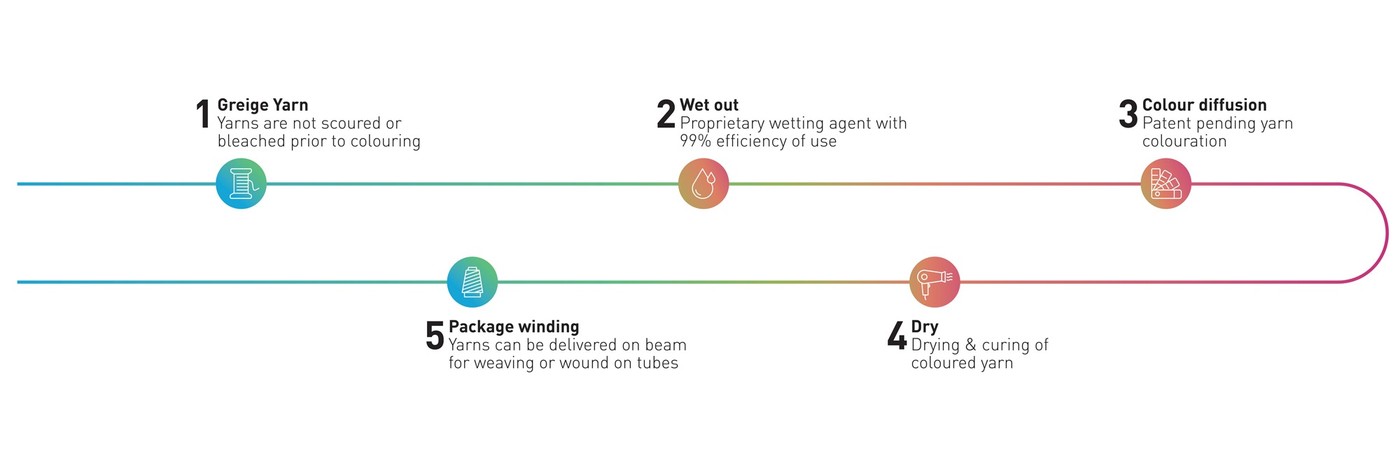
The source describes raw cotton being opened from bales, mixed, carded, and combed before spinning. Carding brings fibers into a more orderly arrangement, while combing removes unwanted material and further prepares the strands. Those strands are wound and spun into yarn before fabric production. Longer cotton fibers are associated with the smooth feel and resistance to pilling for which Pima products are valued. That does not make every finished item identical: the quality of processing and the yarn and fabric construction still influence the result a shopper actually handles.
Evaluate the finished product as well
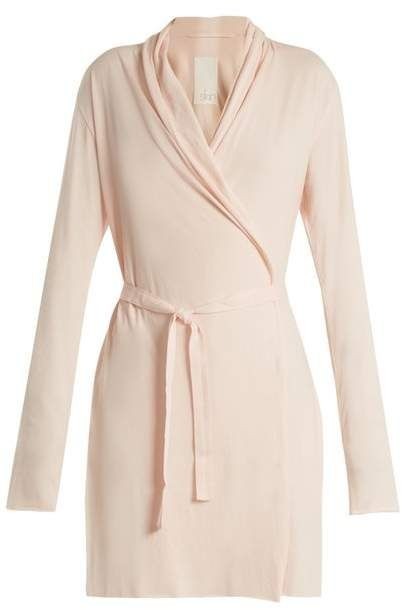
Sewport identifies clothing and bedding as important Pima applications, including shirts, underwear, sleepwear, robes, and sheets. These uses emphasize comfort and repeated contact with the skin rather than industrial strength alone. Its guide also distinguishes Pima from the Supima trademark used for designated American-grown cotton. Do not treat the two names as interchangeable proof of the same supply chain. Compare the full product description, composition, and construction, and use the garment's care instructions for washing and drying rather than assuming that a premium fiber name supplies every care detail needed for a particular finished item.
See where the long fiber enters production
The Pima account begins with Gossypium barbadense and then follows the cotton into opening, mixing, carding and combing. These are preparations for making a consistent yarn, not alternative names for the finished fabric. Opening loosens material packed into bales, while later preparation organizes the fibers and removes unwanted matter. The mill still has to spin the prepared strands and choose a fabric construction. That distinction matters when a product combines Pima with a word such as lawn or jersey. The first identifies the cotton category; the second tells more about the textile made from it. A long fiber is valuable raw material, but it does not eliminate the work between harvesting and a finished garment.
Compare comfort across the intended applications
The guide's examples range from underwear and sleepwear to robes, towels and sheets. Those products share an emphasis on repeated skin contact, but they do not all need the same surface or handling. A sheet is evaluated as a broad flat textile, while a robe also depends on its garment construction and how it hangs. When comparing Pima items, keep the end use constant before treating a higher price as a direct measure of fiber quality. Feel the actual surface, examine the stated composition and identify the construction. A comfortable lightweight shirt and a more substantial bedding fabric can both legitimately use Pima cotton while offering quite different experiences.
Interpret the premium name with clear limits
Sewport associates long fibers with a smooth surface and reduced pilling, which helps explain their use in higher-priced consumer textiles. Reduced tendency is more useful language than a guarantee that a garment can never pill or wear. Its seams, dyeing, fabric structure and use still form part of the finished product. The guide also distinguishes the wider Pima category from the American Supima designation. Reading those terms separately prevents a broad fiber name from being treated as proof of a particular licensed origin. Neither name on its own supplies a complete environmental certification or a universal cleaning instruction. Those are additional claims that should appear explicitly in the relevant product information. The guide identifies higher cost as another consequence of choosing this cotton category. Compare products of a similar type, since the price of a complete robe also includes its size, garment assembly and finishing rather than only the cotton fiber.





Comments
0