 FabricKnowledge Lab
Cotton begins as a seed fiber
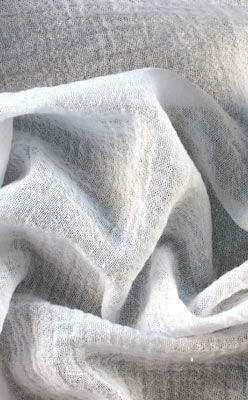
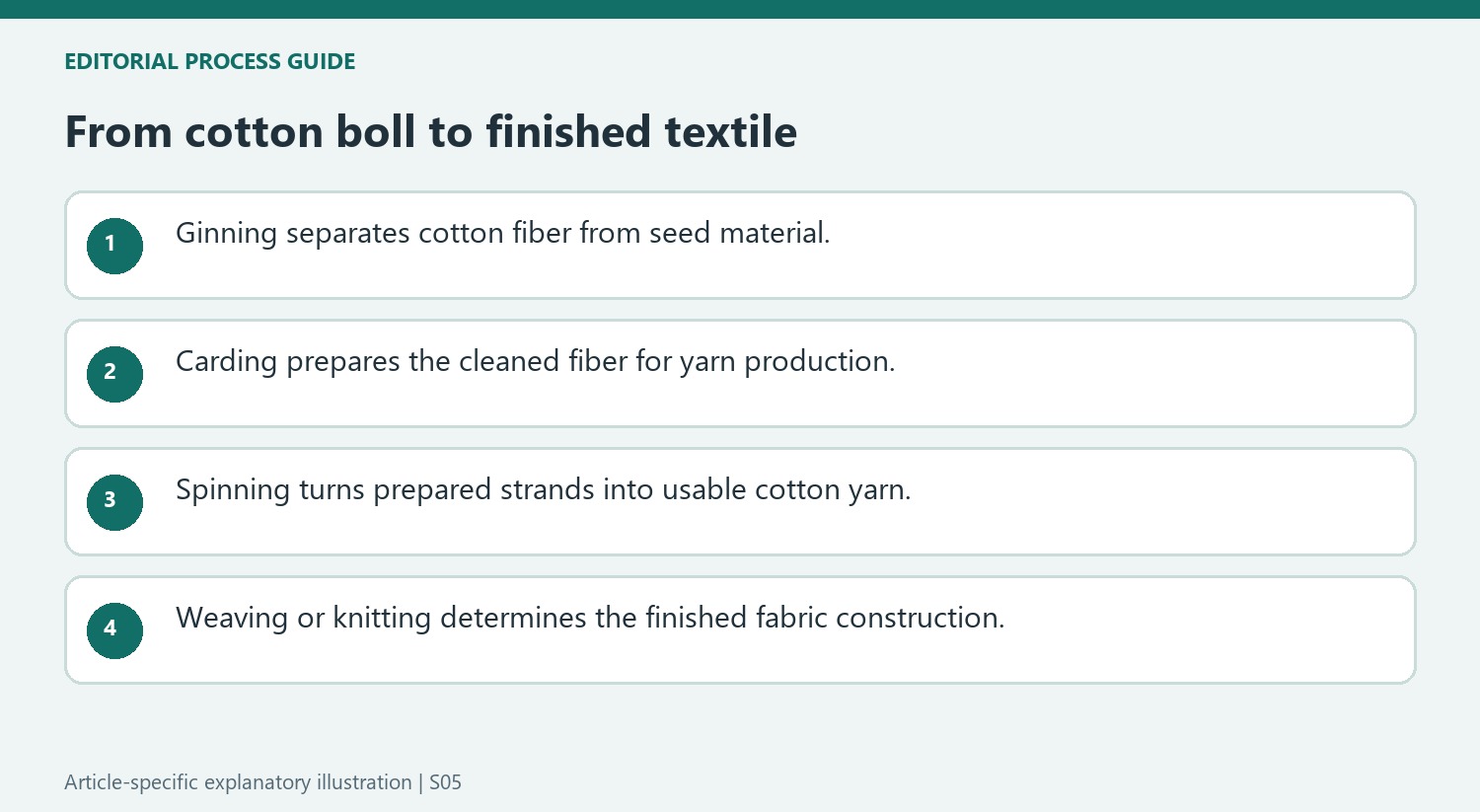
Cotton cloth starts with the soft fibers around the plant's seeds, not with a ready-made fabric structure. After harvesting, ginning separates the useful fiber from seeds and other unwanted material. The cleaned cotton is formed into bales for further processing. Carding aligns fibers into strands, and spinning turns those strands into yarn. Weaving or knitting then gives the yarn its final construction. This sequence explains why two products labeled cotton can look and behave differently: the fiber label describes their raw material, while later manufacturing choices determine the cloth.
Staple length is a different classification
Sewport's cotton guide distinguishes short, long, and extra-long staple fibers. Longer fibers are associated with the softer, more expensive cottons discussed in the guide, including Pima and certain Egyptian varieties. The botanical distinction also matters: Gossypium hirsutum supplies widely used cotton, while Gossypium barbadense is associated with extra-long staple types. These are descriptions of the fiber supply, not names for a particular weave. A Pima product can therefore be made into different fabrics rather than having one inevitable thickness, pattern, or finished texture.
Match the construction to the intended use
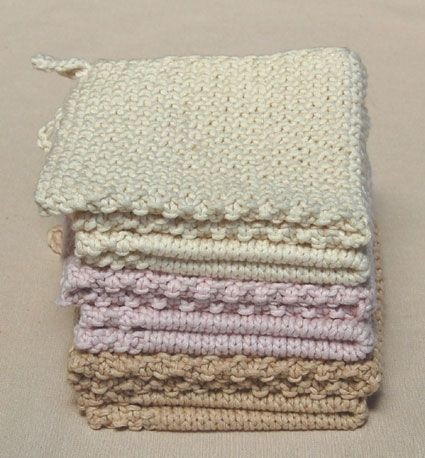
Cotton appears in clothing, towels, bedding, and other household textiles because manufacturers can make many structures from its yarn. Lawn and chambray describe particular fabrics, whereas Pima concerns a fiber category and Supima is a distinct designation. Keep those layers separate when reading a product description. Softness, breathability, and absorbency can be useful cotton characteristics, but they do not establish that every cotton item has the same drape or care requirements. The finished garment's construction, treatment, and label remain relevant alongside the percentage of cotton listed in its composition.
Follow cotton through the mill
Ginning and carding solve different problems in cotton manufacture. The first separates seed material from harvested fiber; the second prepares cleaned fibers for the yarn-making stages. A bale arriving at a mill is therefore an intermediate material rather than something that can immediately be woven into cloth. The source's production account places spinning after fiber preparation and fabric manufacture after spinning. Reading the sequence in that order helps when comparing claims such as combed cotton, cotton jersey and cotton sheets. One describes preparation, another describes a knitted construction, and the last identifies an end product. They can coexist in a description without being competing names for the same manufacturing step.
Use fiber length without overlooking fabric structure
The guide divides cotton into staple-length categories and discusses botanical varieties alongside them. Those classifications help explain why a supplier might emphasize longer fibers in a premium yarn. They do not measure the thickness of the finished cloth. For example, a light cotton blouse and a more substantial cotton household textile can share a fiber family while using different yarn sizes and constructions. Comparing only the word cotton discards that distinction. A useful comparison includes the stated fiber content, the named weave or knit, and the actual fabric's weight and surface. Each piece of information describes a separate part of how a product will look and feel in use.
Separate cultivation claims from everyday performance
Sewport also discusses cultivation, water use and processing choices. These belong to the production story, while absorbency, softness and wrinkling describe the user's experience of a finished item. Neither category automatically proves the other. A cotton garment can feel comfortable without its label documenting a particular farming practice, and a cultivation claim does not establish its weave or fit. Where a seller uses an environmental designation, look for the specific claim and supporting certification rather than inferring it from cotton's plant origin. For the same reason, use the sewn-in care information for cleaning: the fiber's broad characteristics do not specify how a particular dyed, finished or constructed product should be treated. A towel and a plain cotton shirt make the difference especially clear: both contain cotton, but their surfaces and intended uses demand separate construction choices. That visible difference is a useful reminder when a description supplies only the fiber percentage.




Comments
0