 FabricKnowledge Lab
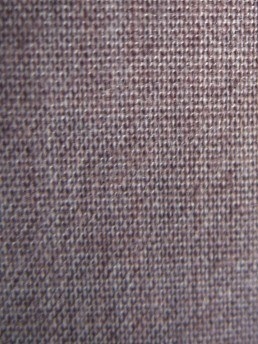
A plain weave with a variable surface
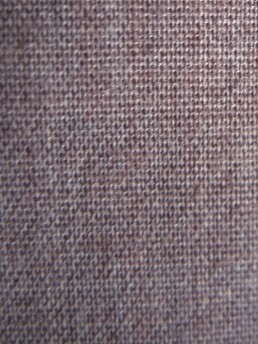
Poplin belongs to the plain-weave family, in which warp and weft yarns cross in a regular over-and-under arrangement. Its familiar crosswise ribs come from using a heavier weft against a finer warp. Those ribs extend across the width of the cloth, rather than running along its length. The effect is not equally pronounced in every modern example: when both yarn systems use the same material and size, the surface can look comparatively even. A smooth appearance therefore does not automatically exclude a fabric from the poplin category.
Separate the fabric name from its fiber content
Historically, poplin combined a silk warp with a worsted wool weft. Modern versions can use cotton, wool, silk, rayon, polyester, or blended fibers. The name alone consequently cannot establish that a shirt or dress is pure cotton. Poplin also appears in upholstery, where coarser filling yarns create a different result from fine shirting. When comparing materials, read the composition alongside the construction and consider the intended application. This keeps the weave description separate from assumptions about thickness, fiber, or suitability for a particular garment.







Comments
0