 FabricKnowledge Lab
Satin-Style and Plain-Weave Fabrics
A shiny appearance is not a reliable substitute for identifying a weave. Satin-style surfaces and plain-weave fabrics create different visual and structural effects, even when silk or another familiar fiber is involved. Comparing specific textiles makes it easier to separate surface gloss, transparency, and crispness from the ingredient used to make the yarn.
A lightweight fabric with body
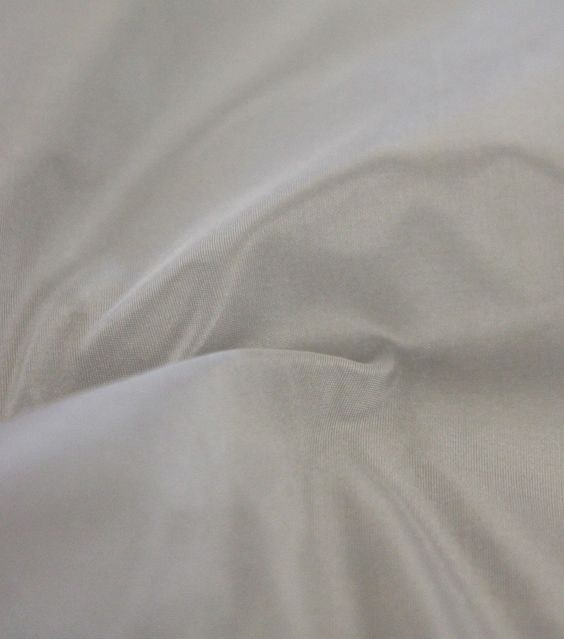
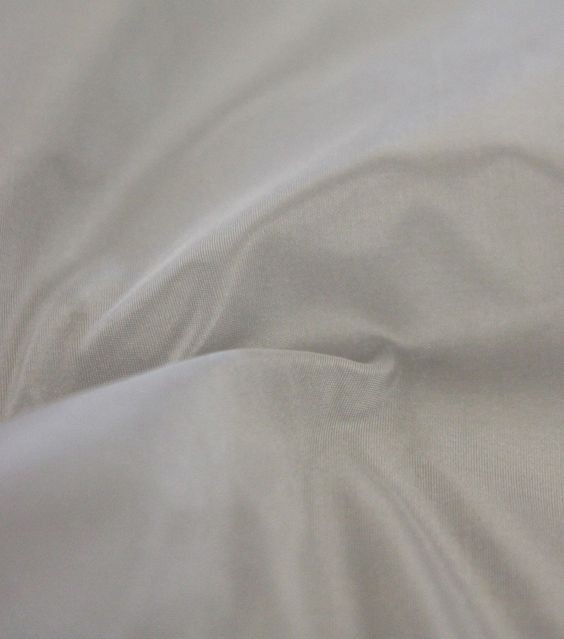
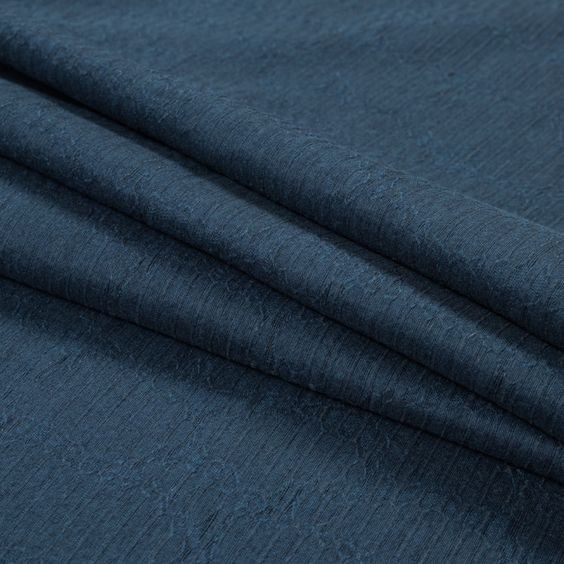
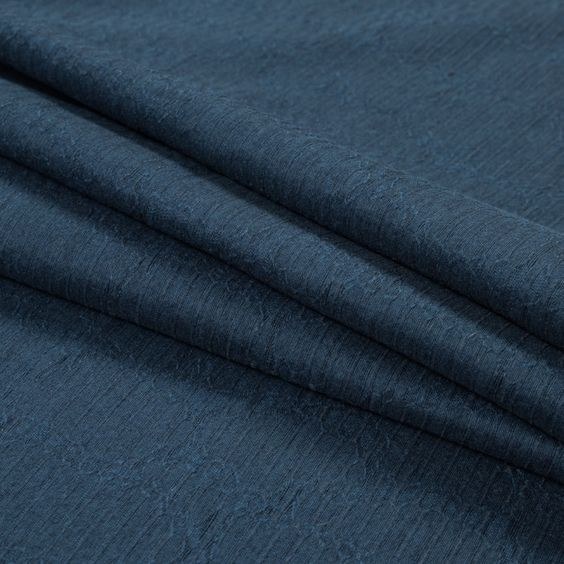
Taffeta is a smooth, crisp fabric associated with a plain weave. Traditionally made from silk, it is also produced from polyester and rayon. The source emphasizes its ability to hold shape, which distinguishes it from lightweight fabrics chosen mainly for soft, flowing drape.
Recognizing its effect in clothing
Taffeta is familiar in formal dresses and other designs that benefit from structure. It may rustle as the wearer moves, and some versions show changing color effects. Those characteristics explain why two thin fabrics can behave differently in the same garment design. Fiber content still matters, however: the name taffeta describes a fabric family rather than guaranteeing a silk composition.








Comments
0