 FabricKnowledge Lab
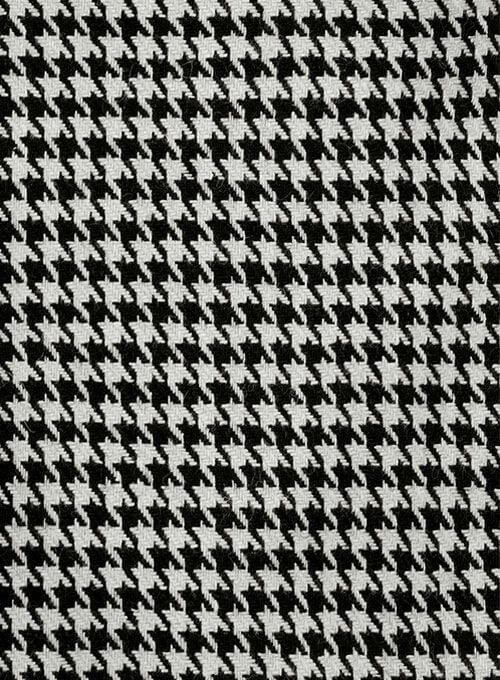
Understanding Twill Weave
Twill refers to a weave rather than a single raw material. Familiar clothing fabrics help show how yarn choice, surface treatments, and added pile can change the result. When comparing them, distinguish the underlying woven structure from the fiber and from a raised or textured finish that may dominate the appearance.
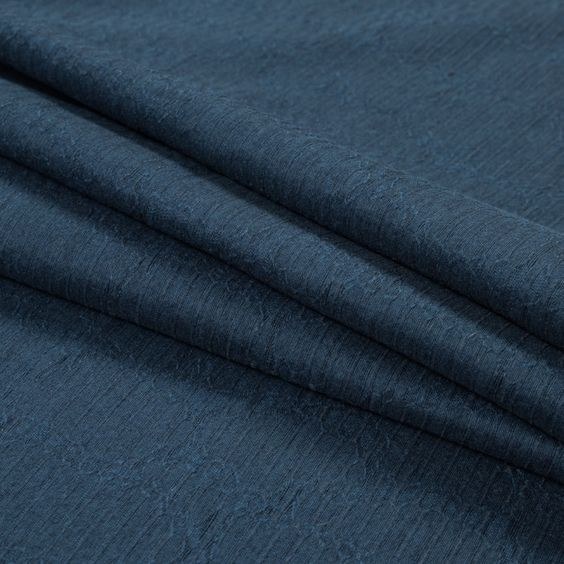
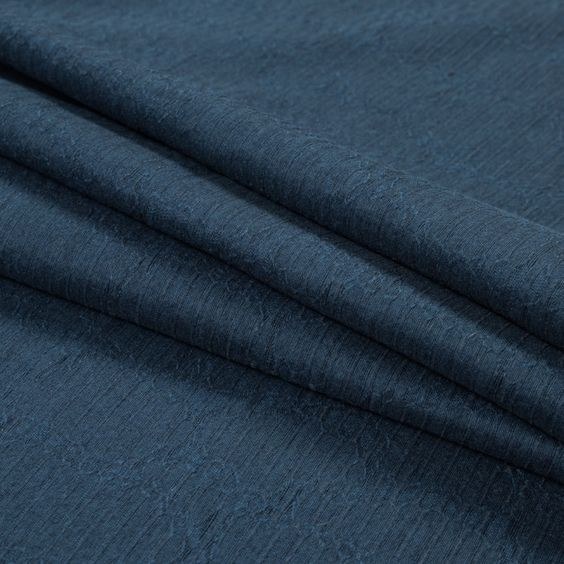
A textured woven fabric
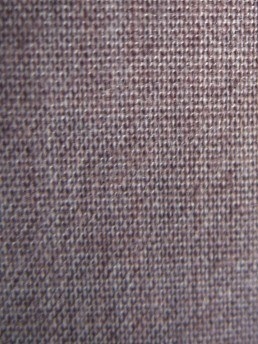
Tweed is traditionally a wool textile associated with a coarse surface and weather-conscious outerwear. The source describes the role of sheep fibers, yarn choice, and dyeing in its varied patterns. The result is a fabric whose texture is central to its appearance rather than a flaw to be removed.
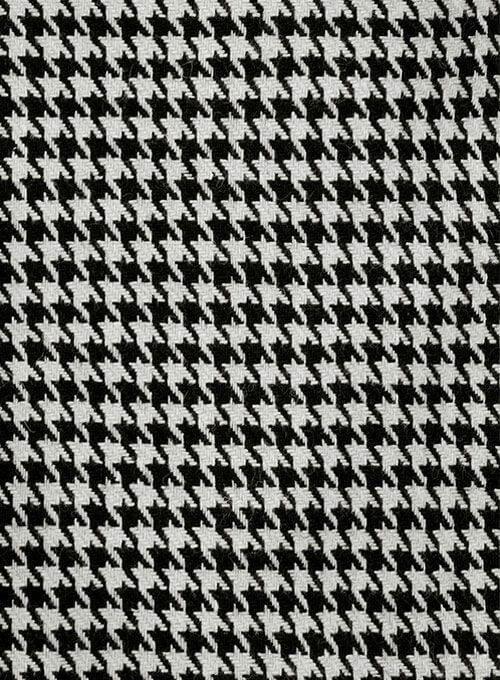
Why it suits outer layers
Jackets, coats, trousers, and caps are familiar uses of tweed. Its relatively rugged handle makes it a different proposition from fine fabrics worn directly against the skin. The source also traces its movement from practical Scottish clothing into wider fashion. For material comparisons, the important distinction is that wool identifies the fiber while tweed describes a particular family of woven textiles.









Comments
0