 FabricKnowledge Lab
Woven, Knitted, and Other Structures
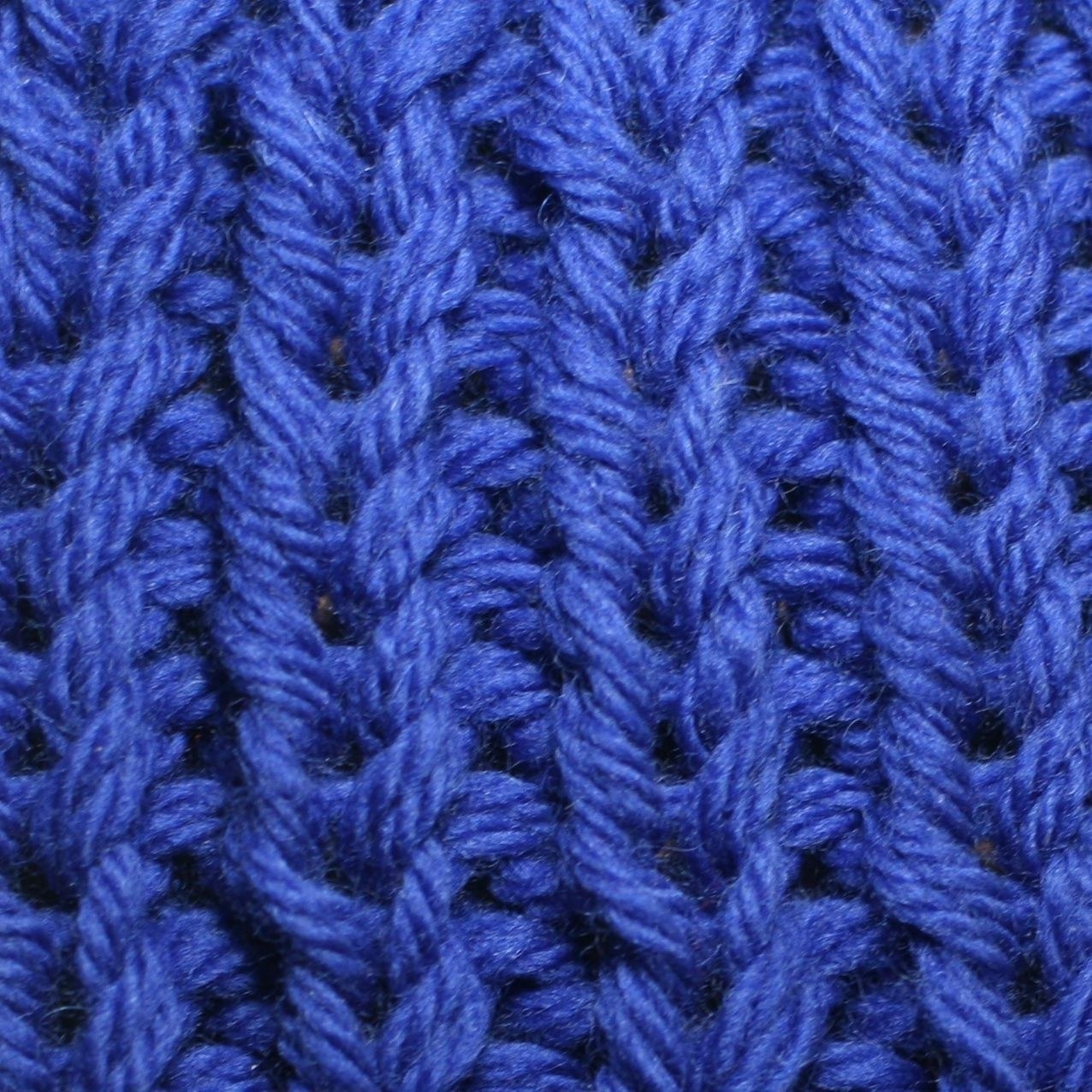
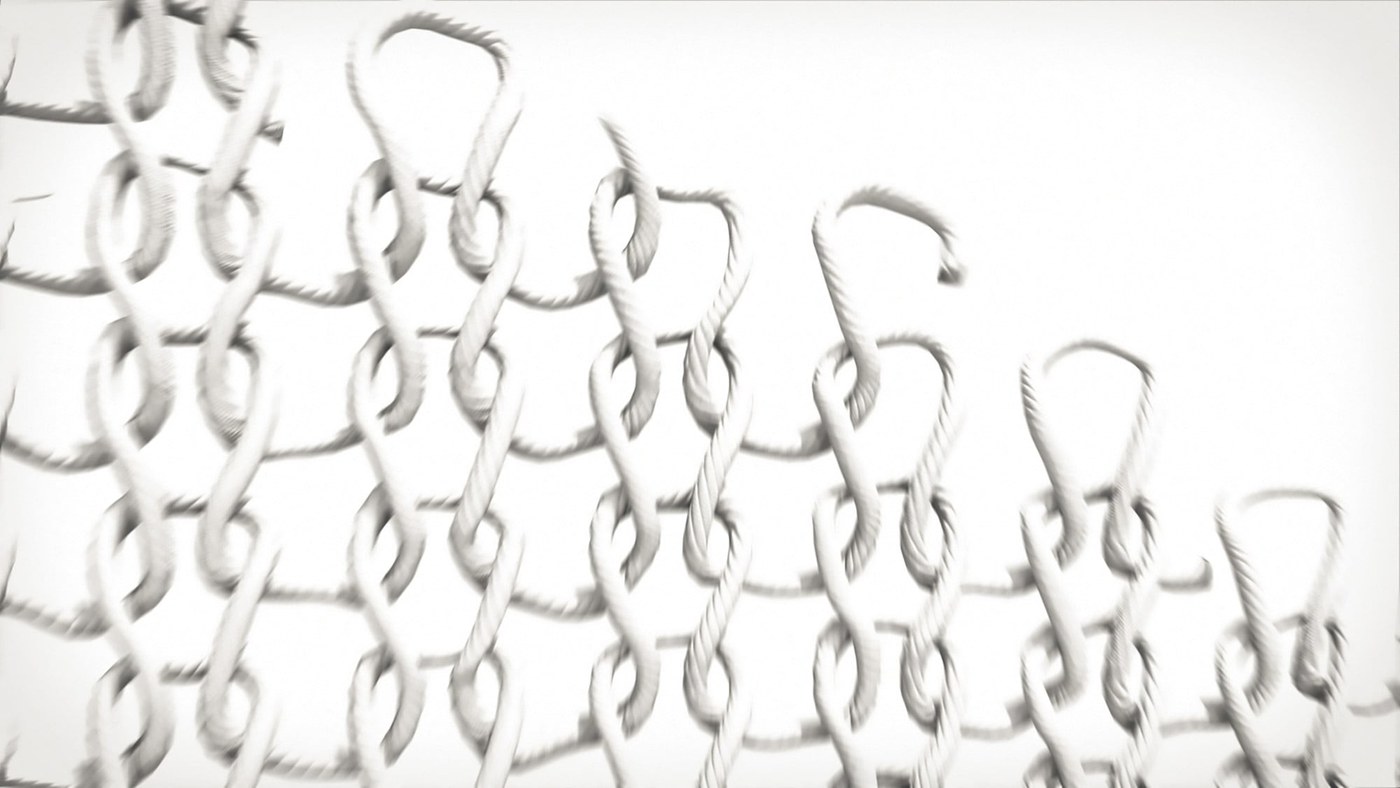
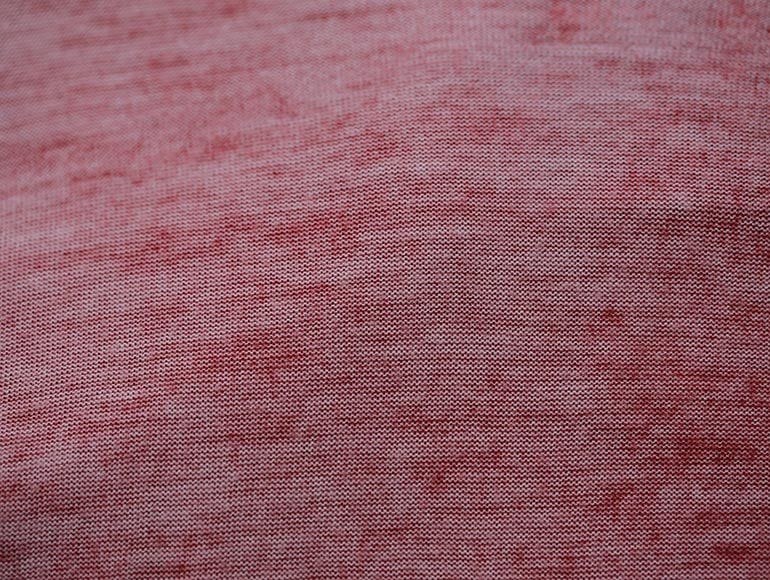
Fabric structure and fiber composition are separate questions. Woven cloth interlaces yarns, knitted cloth uses loops, and felt demonstrates that not every textile belongs to either group. Looking at these constructions helps explain why two fabrics made from a familiar fiber can stretch, hang, or hold their shape in different ways.
Fibers joined into a sheet
Felt is a textile made by matting and consolidating fibers instead of interlacing yarns or forming knitted loops. Traditional wool felt is one example, while the source also describes synthetic versions. That construction places felt in a different category from woven and knitted fabrics even when the starting fiber is familiar.
Shape and intended use
The source describes heat, water, and pressure as part of traditional felt-making and discusses uses such as hats, liners, and household products. The consolidated structure helps explain why felt can be cut and shaped differently from many yarn-based textiles. Fiber composition remains important: a wool felt and a synthetic felt share a general manufacturing category without necessarily sharing every material property.








Comments
0