 FabricKnowledge Lab
Woven, Knitted, and Other Structures
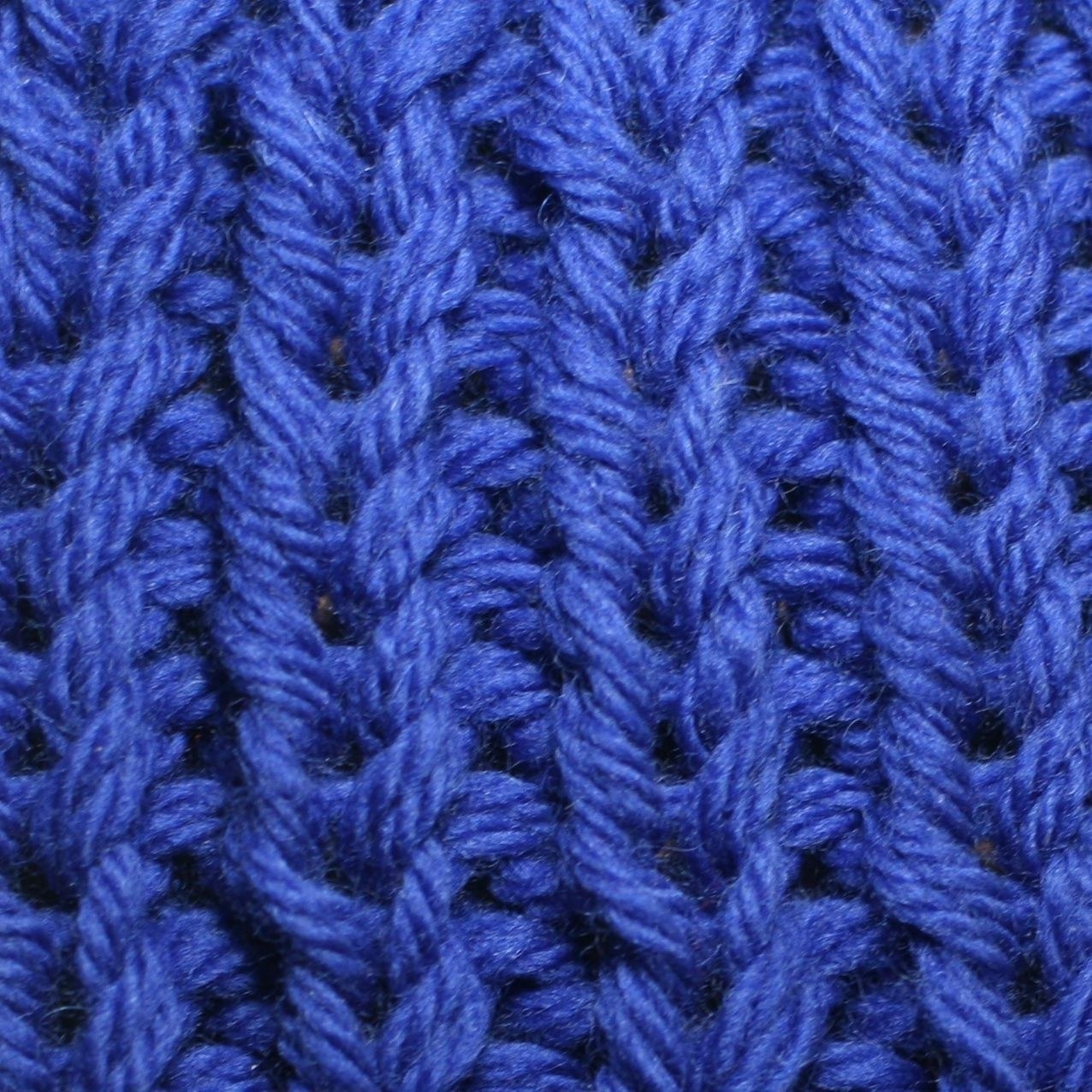
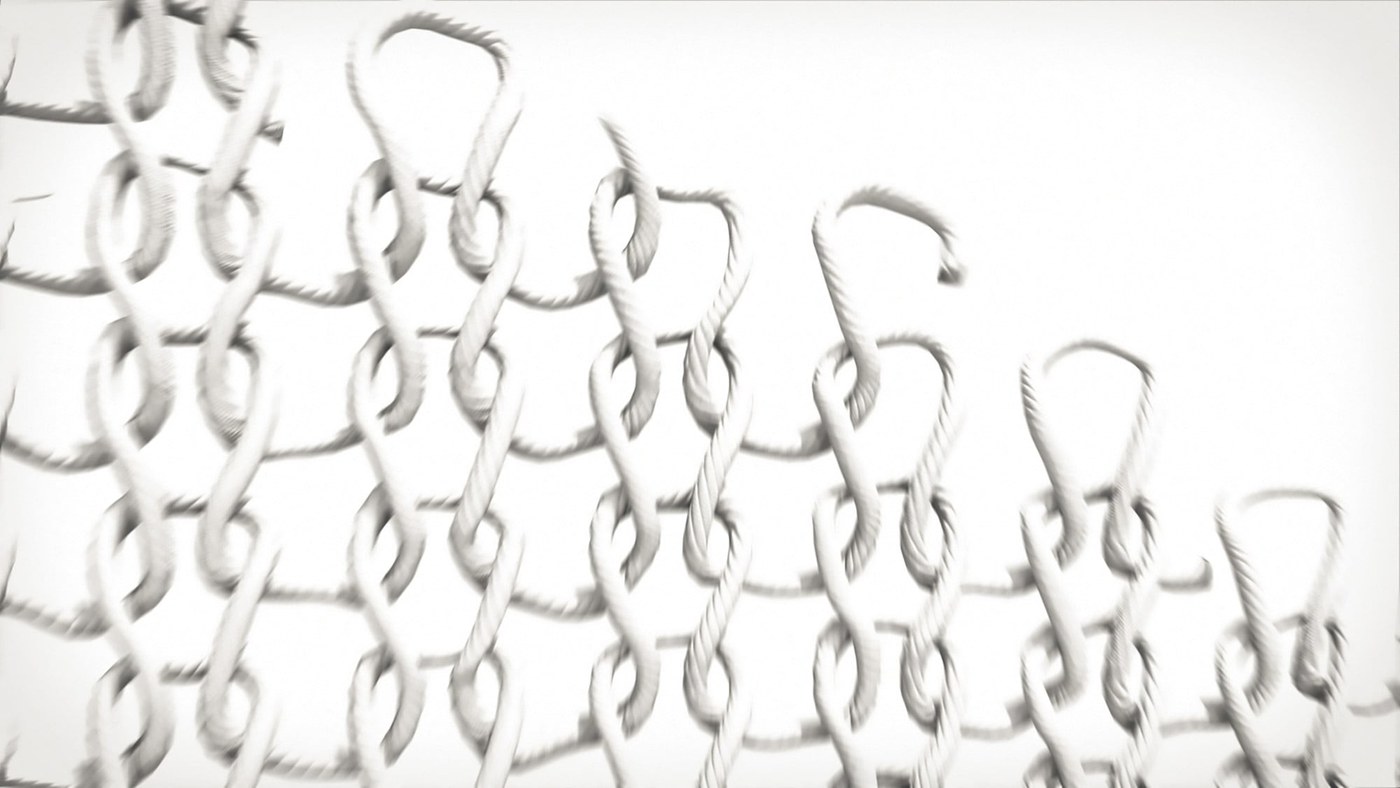
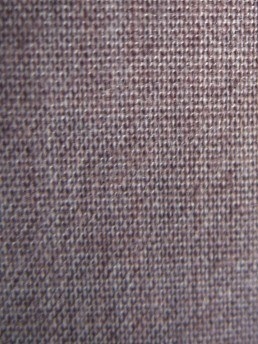
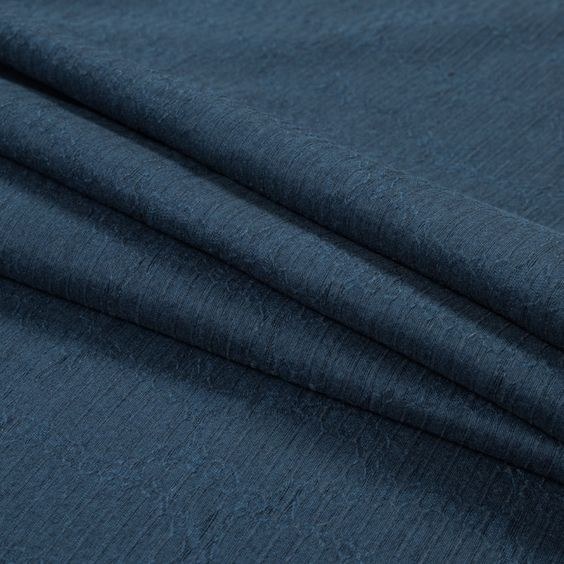
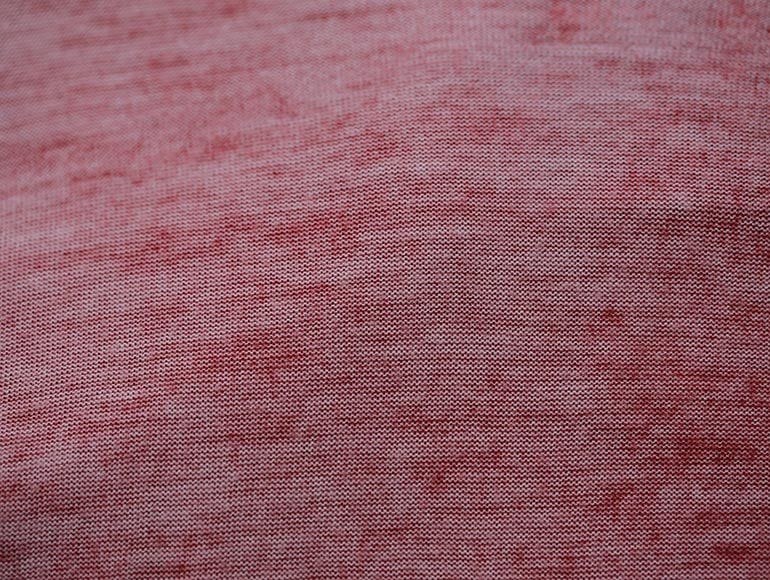
Fabric structure and fiber composition are separate questions. Woven cloth interlaces yarns, knitted cloth uses loops, and felt demonstrates that not every textile belongs to either group. Looking at these constructions helps explain why two fabrics made from a familiar fiber can stretch, hang, or hold their shape in different ways.
A structure rather than a fiber
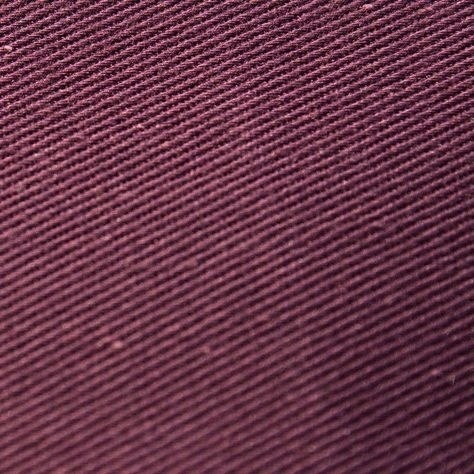
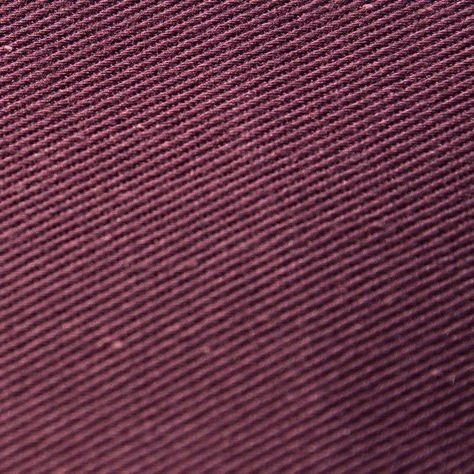
Twill is one of the main woven fabric structures. Its recognizable feature is a diagonal pattern, produced by the way the yarns pass over and under one another. The source distinguishes twill from plain weave and satin, and explains that it can be made using cotton as well as synthetic materials.
Recognizing twill in everyday cloth
Denim is a familiar example, but twill is also used in trousers, shirts, bedding, and other textiles. The pattern tells you about construction, not the complete composition or thickness of a fabric. A cotton twill and a polyester twill share a structural idea while differing in raw material. That distinction is essential when comparing fabrics with a similar surface.








Comments
0