 FabricKnowledge Lab
-
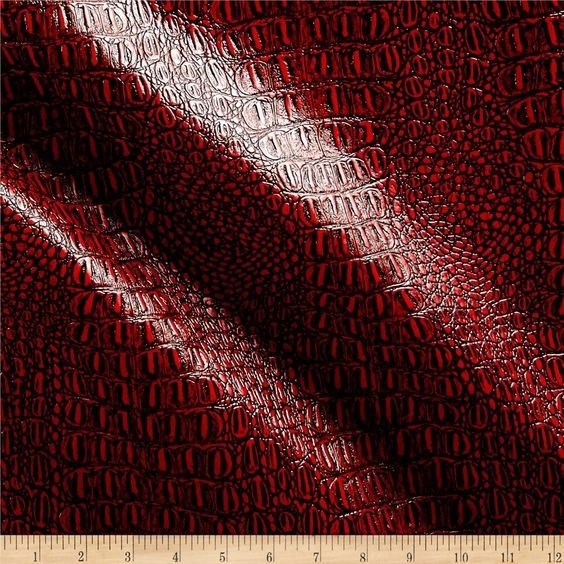
Look Beyond the Grain Pattern When Identifying Faux Leather
A leather-like finish does not establish that a material came from animal hide.
-
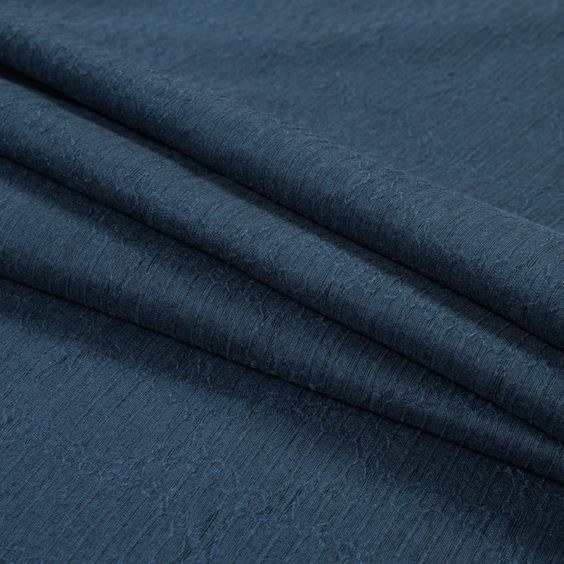
Circular Knitting Can Produce Fabric Tubes or Garment Sections
Machine arrangement and diameter help explain several different circular-knit products.
-
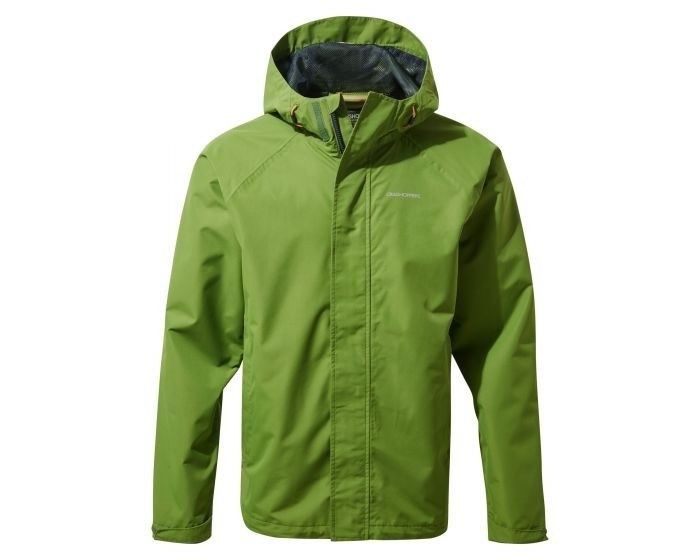
Separate eVent's Membrane Role From the Garment's Other Materials
The waterproof technology name does not identify every fabric in an outdoor item.
-
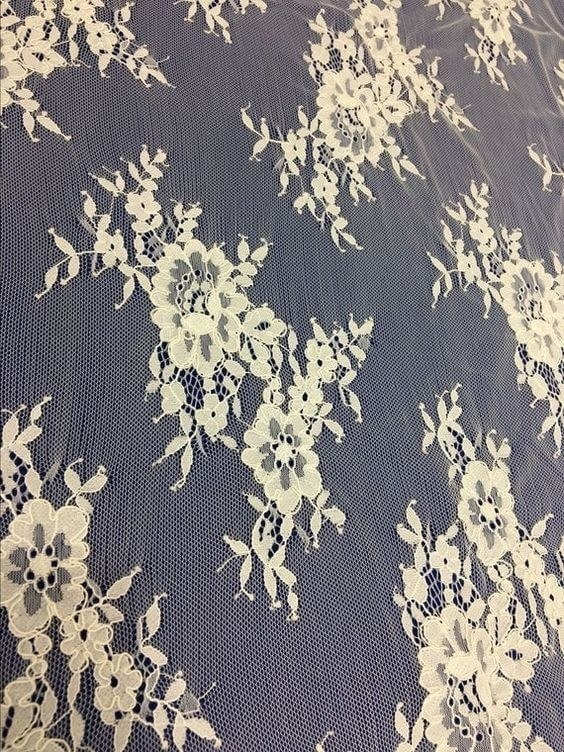
Recognise Lace Through Its Decorative Open Structure
Lace describes a family of open textiles rather than a guarantee of one fibre.
-
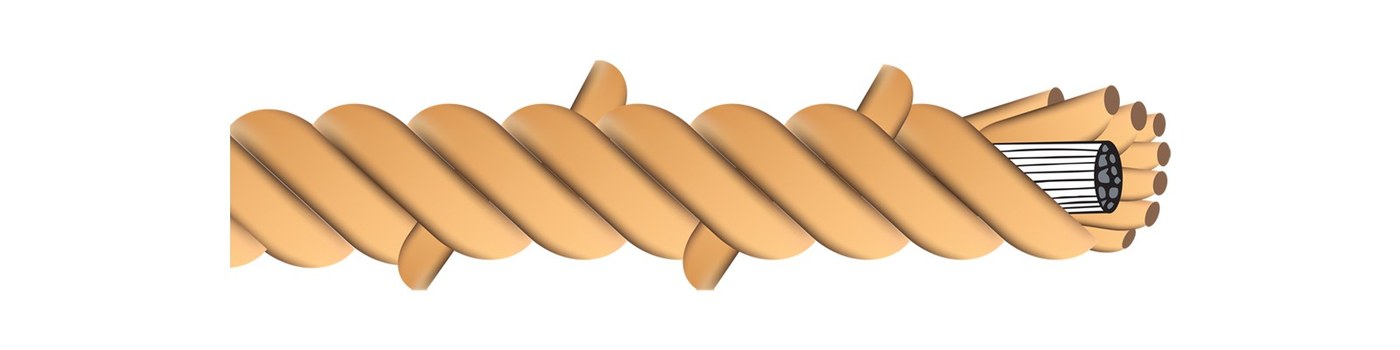
Core-Spun Wool Can Hide a Different Filament Inside the Yarn
The visible wool surface does not always tell the full composition story.
-
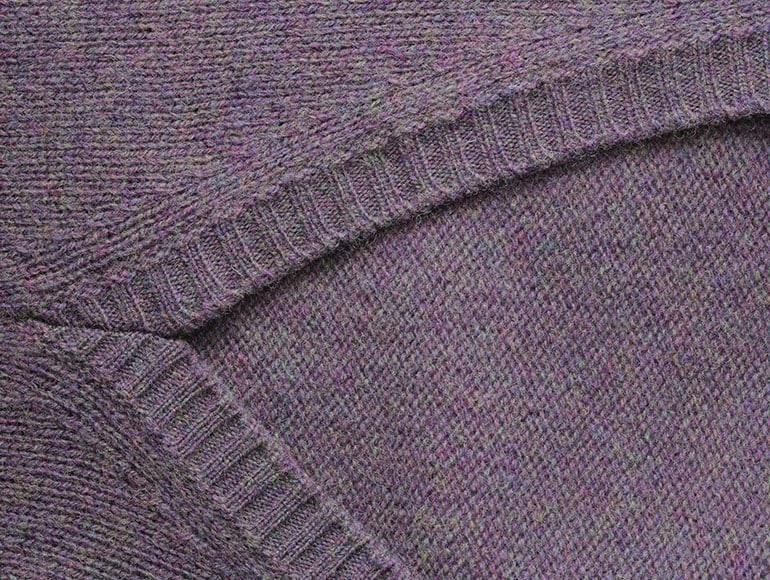
Spectrum Merino Creates Marl Effects Through Different Dye Uptake
A mixed shade can be developed later than the original fibre-blending stage.
-
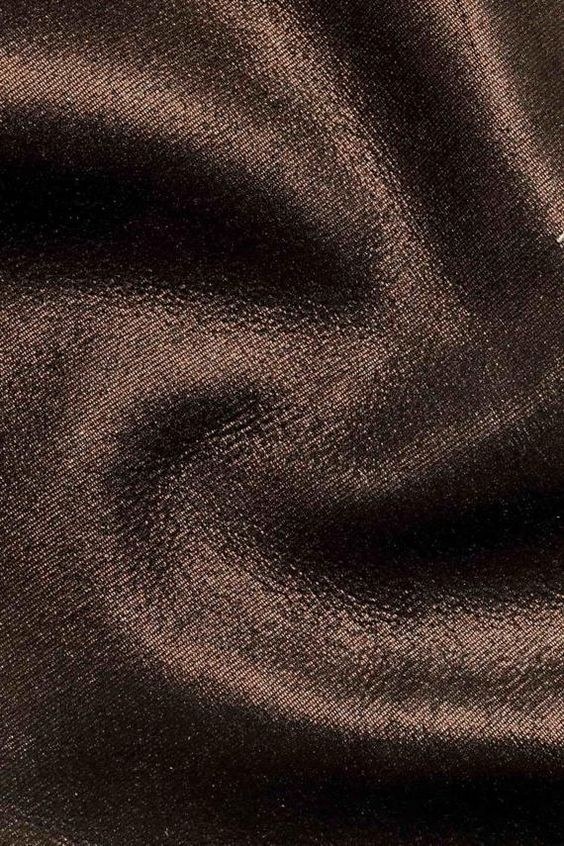
Leather Identification Starts With Tanned Animal Hide
Finish and colour can change while the material's hide-based origin remains central.
-
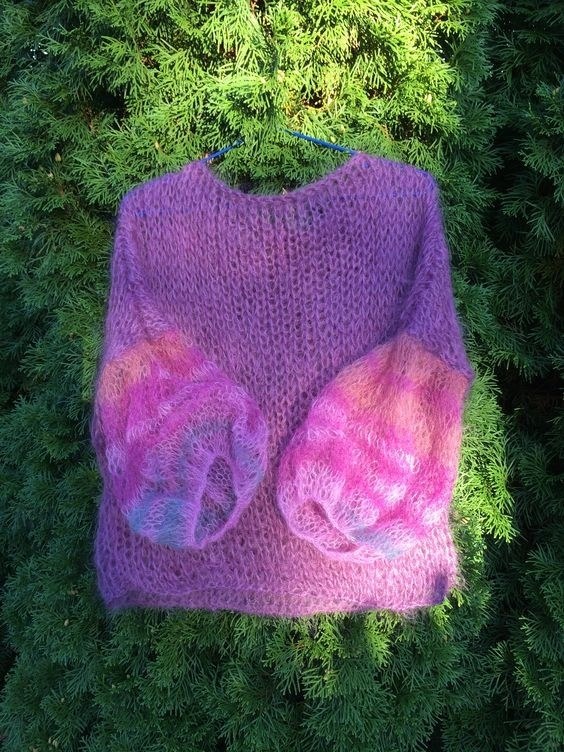
Mohair Comes From the Angora Goat
The animal source distinguishes mohair from other soft, lustrous fibres in a garment.
-
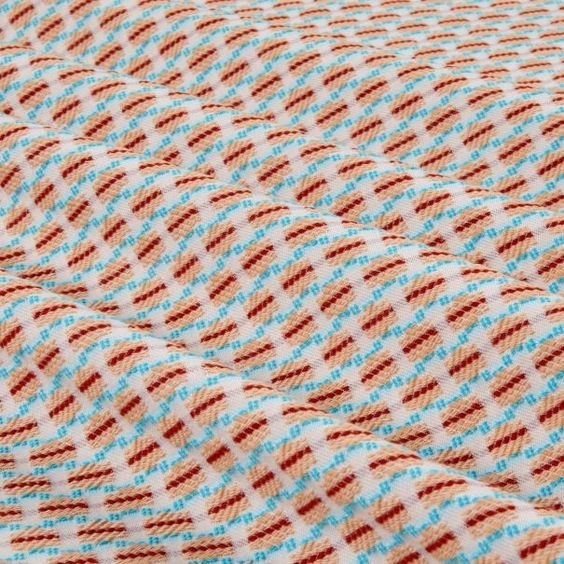
Tell a Woven Brocade Pattern From Added Embroidery
The placement of the pattern within the fabric is central to recognising brocade.
-
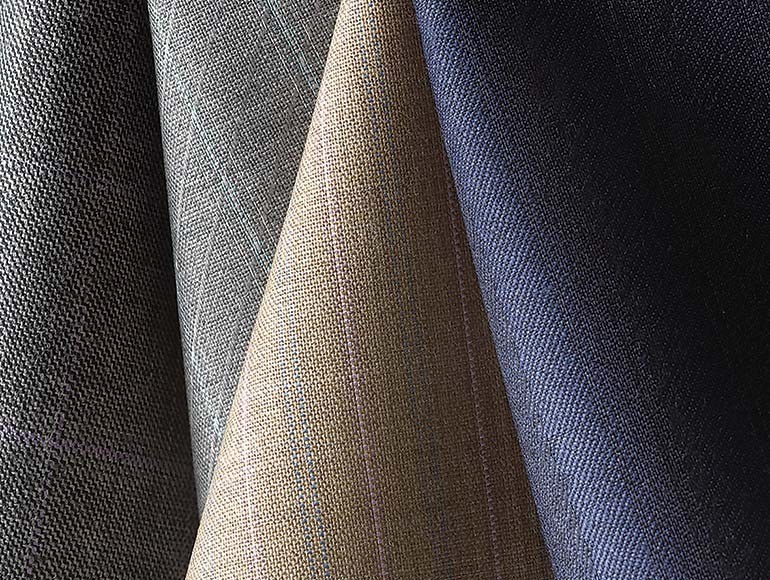
Cool Wool Identifies a Lightweight Merino Specification
Fabric weight and mean fibre diameter give this wool description measurable boundaries.
-

A Wool Fibre Has a Layered Protein Structure
Keratin, surface scales and fibre fineness help explain wool's identity and uses.
-
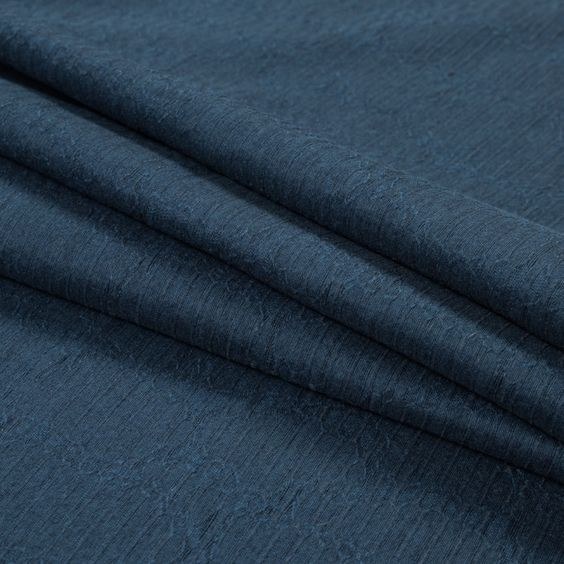
Warp Knitting Forms Interlocking Rows Along the Fabric
The arrangement of yarn guides explains a construction different from familiar weft knitting.
-
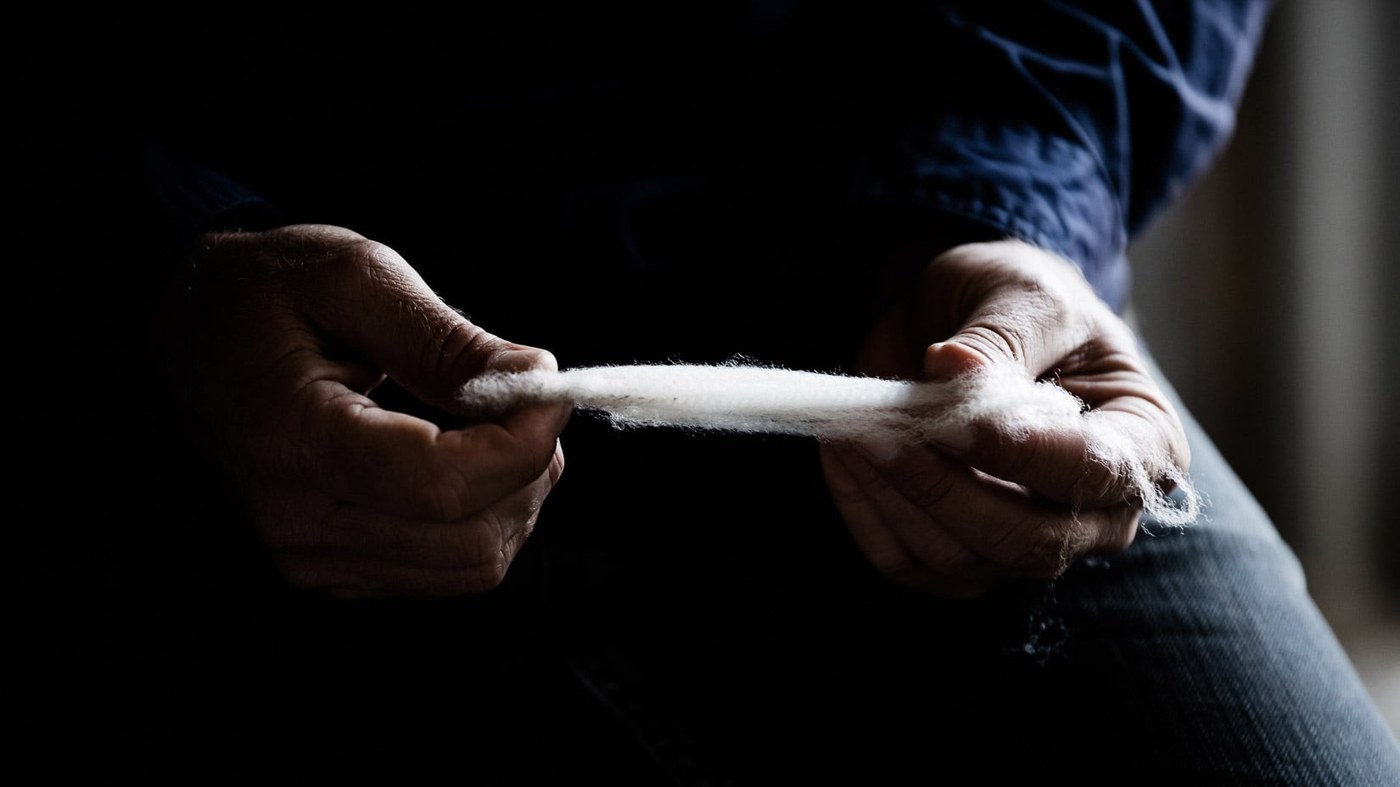
Use Fibre Diameter to Understand a Merino Description
The micron measurement helps explain why different wool fibres suit different products.
-
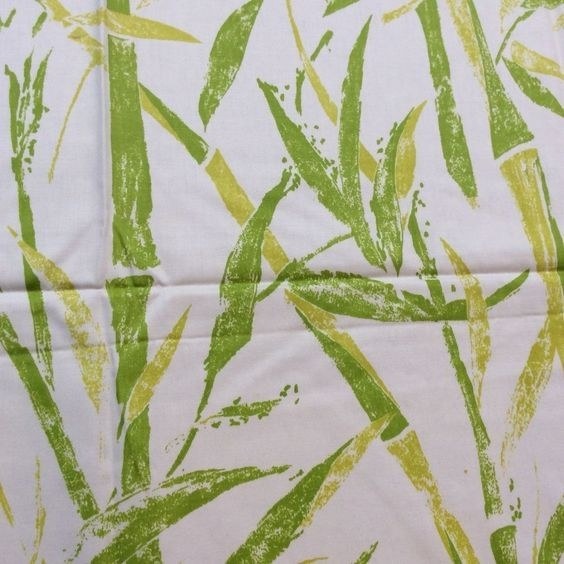
A Bamboo Fabric Name Does Not Reveal Its Processing Route
Bamboo-derived viscose and mechanically extracted plant fibres need distinct material descriptions.
-
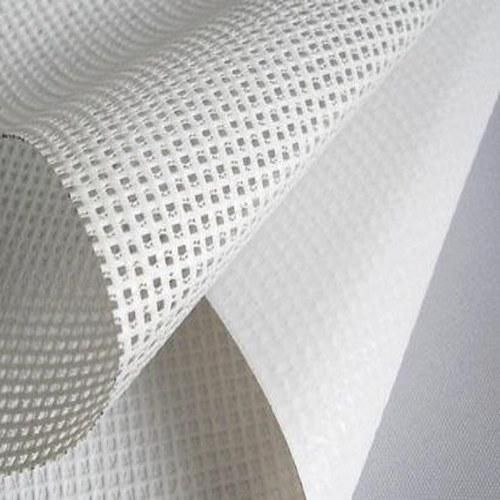
Distinguish a PTFE Membrane From the Fabric Around It
PTFE describes a fluoropolymer material, while a finished garment may contain several textile layers.
-
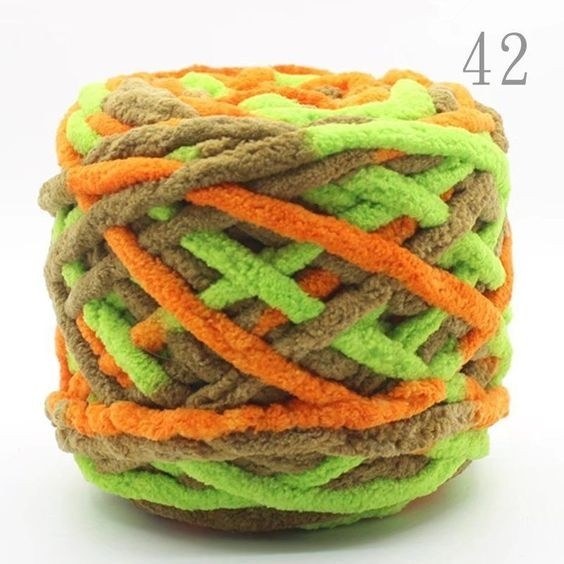
Milk Cotton Is a Material Name That Needs a Closer Label Read
Casein-based fibres should not be mistaken for conventional cotton simply because of their name.
-
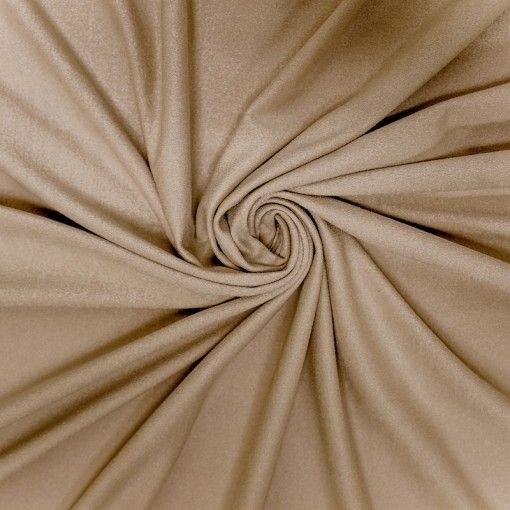
A Guide to Fabric Surface Texture: Suede's Soft Nap Comes from the Inner Side of a Hide
Suede is produced from the softer inner side of an animal hide rather than the smoother outer surface associated with many other leathers. Texture can be created by woven pile, cut ridges, irregular yarns, knitted loops, or a processed leather surface.
-
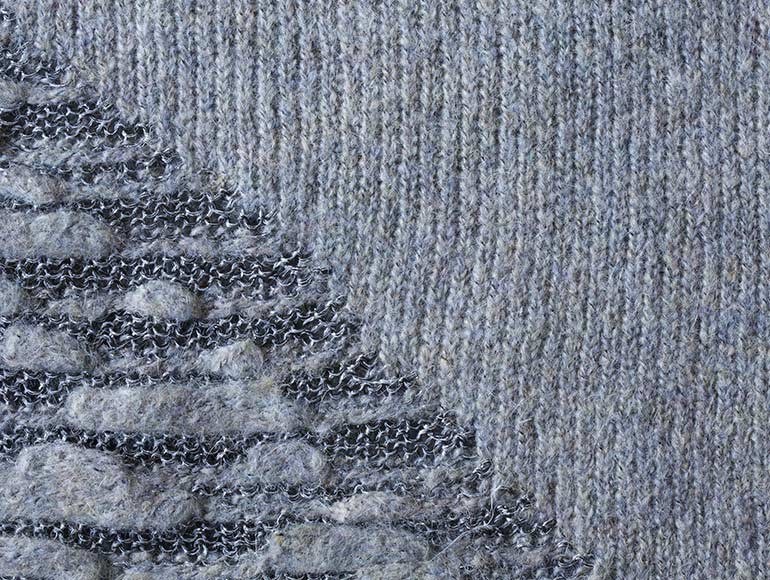
Raised Merino Knit Patterns Can Come From Selective Felting
A three-dimensional surface does not always require an entirely different stitch pattern.
-

Merino Retract Uses Elastane to Create a Boiled-Wool Look
A compact wool surface can result from yarn contraction during finishing.
-

Seamless Knitwear Can Combine Different Structures in One Piece
A single knitted surface can include zones with different functions and appearances.

