 FabricKnowledge Lab
-
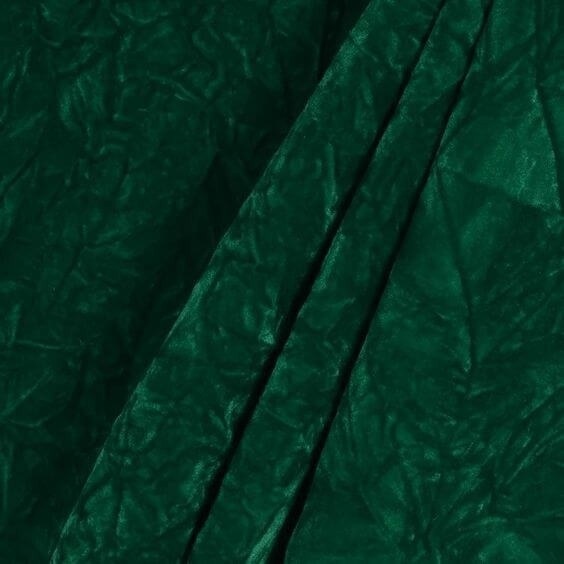
A Guide to Fabric Surface Texture: Velvet's Soft Surface Comes from a Dense Pile
Velvet is known for a closely packed pile that creates its plush surface. Texture can be created by woven pile, cut ridges, irregular yarns, knitted loops, or a processed leather surface.
-
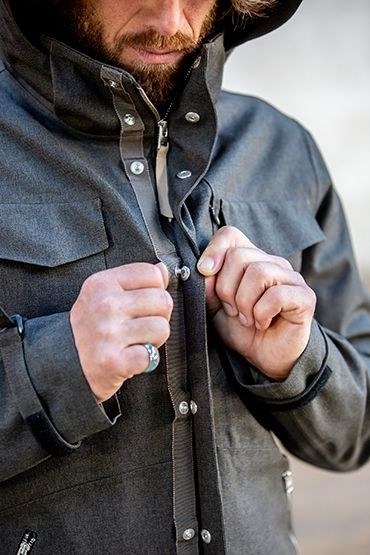
Sympatex Is a Membrane Identity Within a Layered Product
Polyester and polyether form the functional material described in Sewport's guide.
-
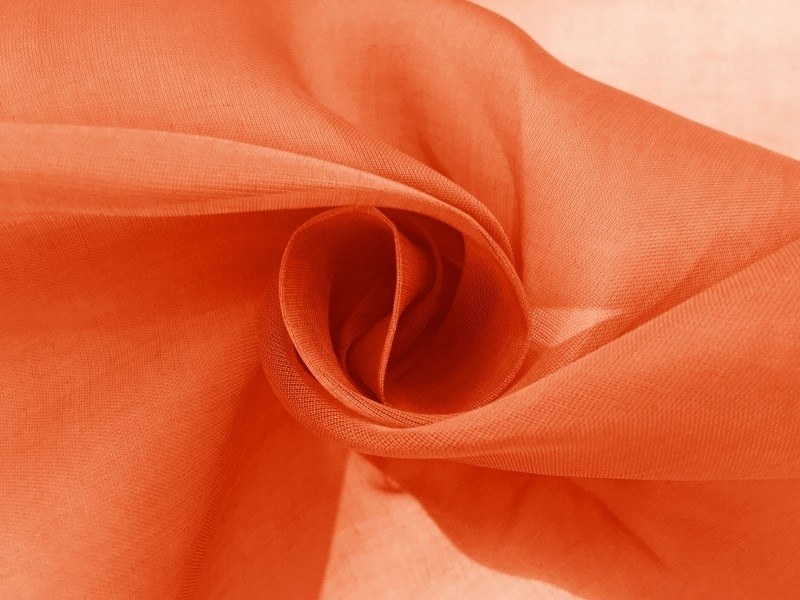
Use Crispness and Transparency to Recognise Organdy
Organdy is associated with fine cotton cloth whose finishing controls its stiffness.
-
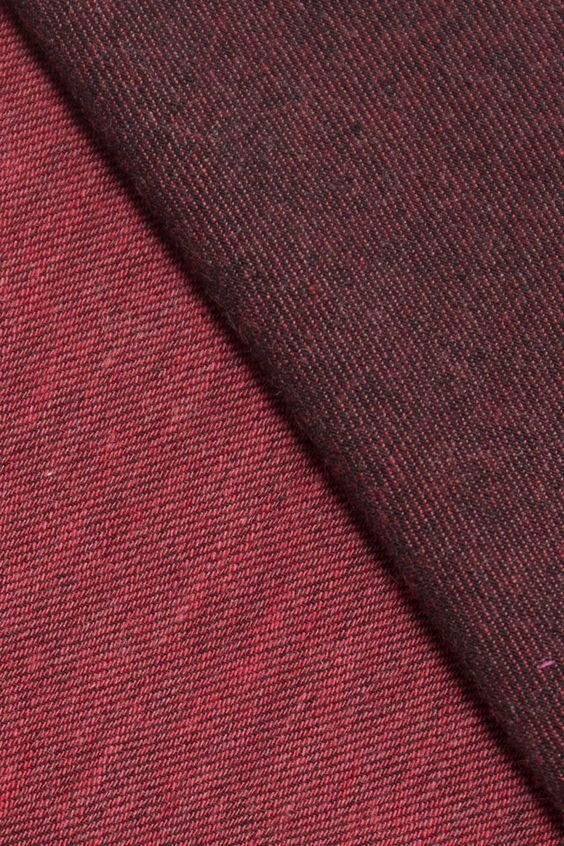
Flannel Describes the Cloth While Plaid Describes the Pattern
A checked shirt is not automatically flannel, and flannel does not require checks.
-
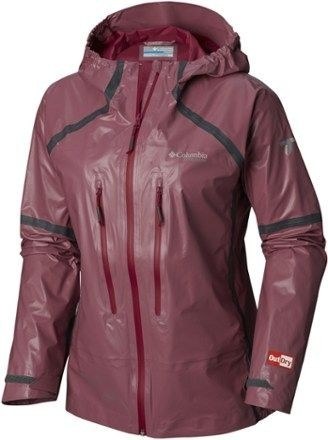
Identify OutDry Through the Product's Waterproof Construction
A waterproof technology label needs to be read alongside the complete garment or footwear design.
-
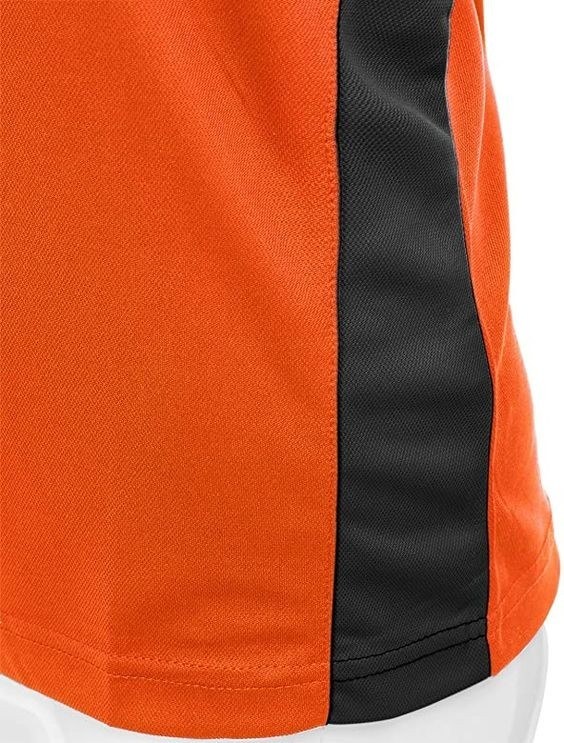
Treat COOLMAX as an Engineered Polyester Name
A branded performance textile should be identified through its fibre information as well as its promise.
-
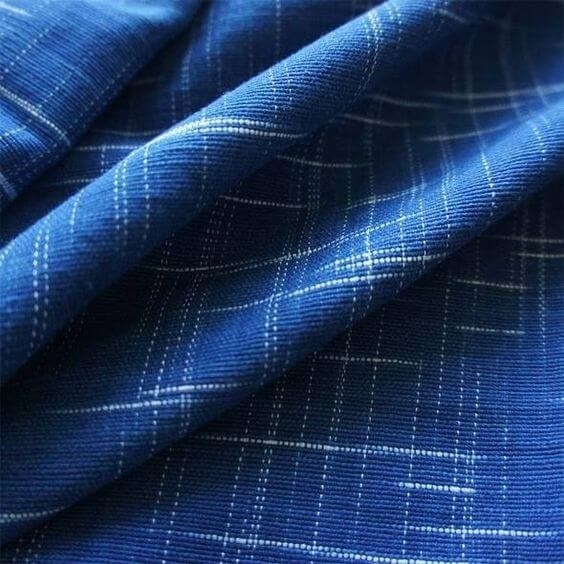
Identify Ikat Through Yarn Dyeing Before Weaving
The sequence of pattern formation distinguishes ikat from dyeing methods applied to finished cloth.
-
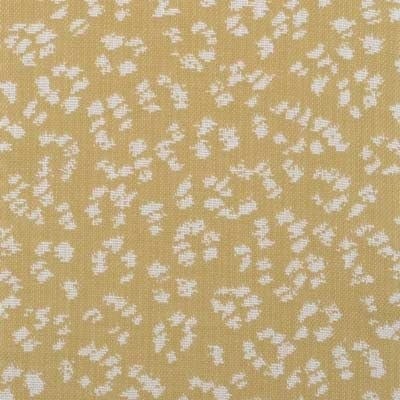
Banana Fibre Labels Can Cover Very Different Textures
The plant source does not mean every banana-based textile feels equally soft.
-
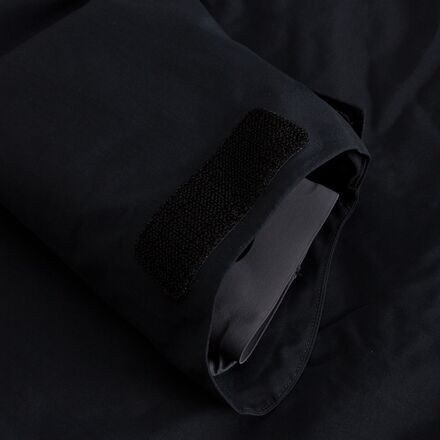
Read a Waterproof Membrane Name Separately From the Face Fabric
GORE-TEX identification involves a product system rather than one visible woven surface.
-
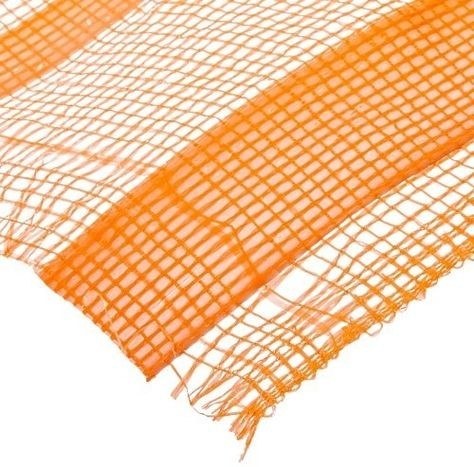
Read Polypropylene as a Polymer Identity Rather Than One Texture
Polypropylene appears in textile and industrial products with varied forms and uses.

