 FabricKnowledge Lab
Viscose and Polyester Comparisons
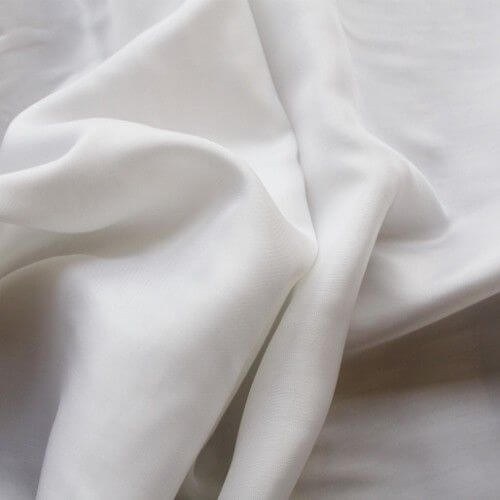
Viscose and polyester may both appear in soft clothing, but their starting materials and manufacturing routes differ. Related regenerated-cellulose fibers provide useful context for reading unfamiliar composition names. The comparison should identify the actual ingredient first and then consider the weave or knit, rather than treating a similar surface as proof of identical material.
A chemically processed fiber
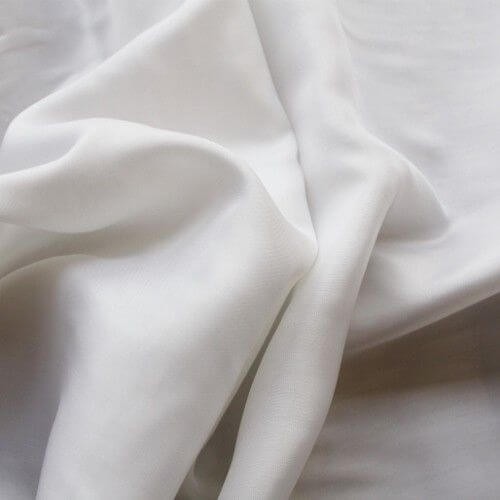
Cupro belongs to the family of regenerated cellulose textiles. The source describes a process involving copper and ammonia compounds rather than simply spinning an untouched plant fiber into yarn. That distinction matters when a product description emphasizes the material's plant-based starting point or compares its smooth appearance with silk.
Softness and production are separate questions
The source associates cupro with fineness, elasticity, and the ability to mix with other fibers. It also discusses environmental concerns if production chemicals are handled improperly. A silk-like surface does not make cupro silk, and a recycled or plant-derived origin does not by itself establish a complete sustainability claim. Composition and manufacturing information should be assessed separately from the fabric's visual appeal.





Comments
0