 FabricKnowledge Lab
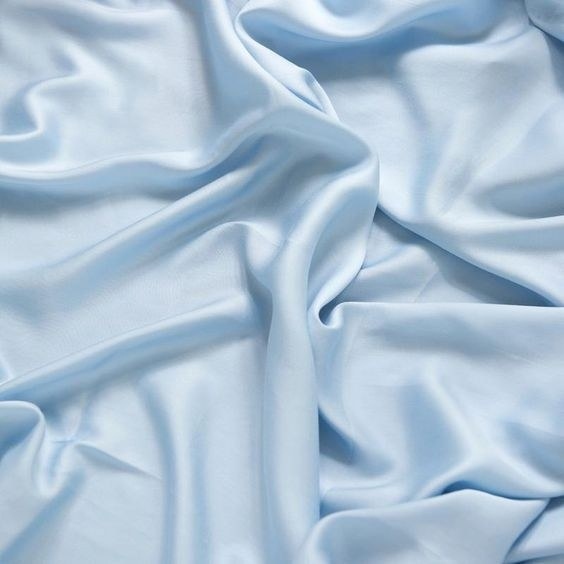
Viscose and Polyester Comparisons
Viscose and polyester may both appear in soft clothing, but their starting materials and manufacturing routes differ. Related regenerated-cellulose fibers provide useful context for reading unfamiliar composition names. The comparison should identify the actual ingredient first and then consider the weave or knit, rather than treating a similar surface as proof of identical material.
From wood-derived cellulose to yarn
Lyocell is made from cellulose, commonly sourced from wood, and belongs to the wider family of regenerated fibers. The source describes a solvent-based production method that differs from the traditional viscose process. Its origin and processing make it distinct from both raw cotton fiber and fully synthetic polyester.
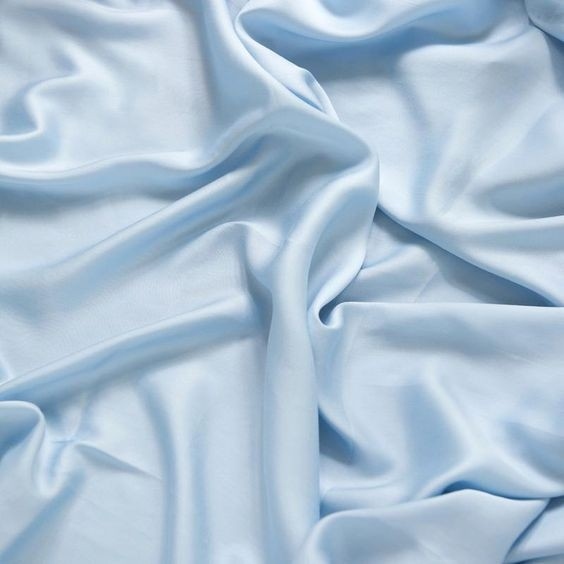
A versatile blending material
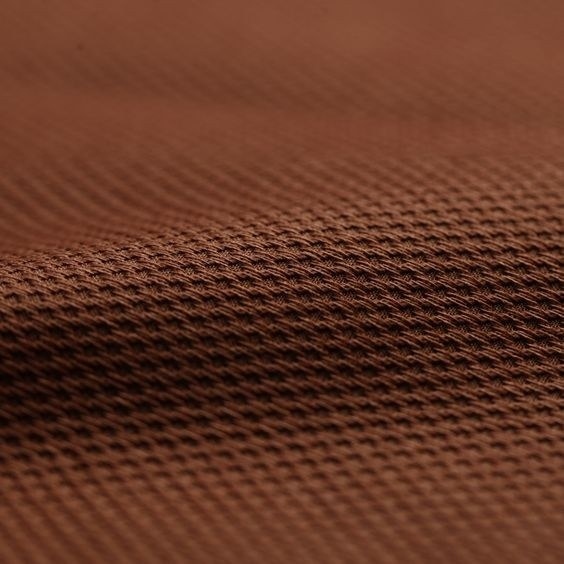
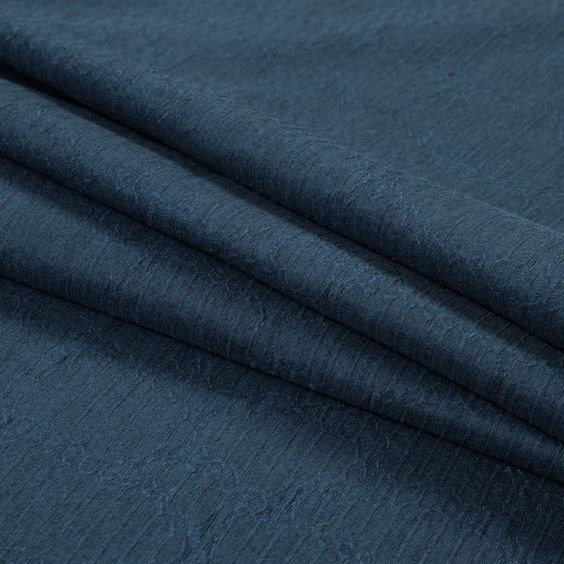
The source highlights lyocell's soft feel, strength in wet and dry conditions, and ability to blend with a range of other fibers. It appears in clothing intended to provide a comfortable handle and fluid textile options. These qualities do not eliminate the need to identify the actual finished fabric: a fiber name describes the ingredient, while weave, knit, and blend shape the final garment.





Comments
0