 FabricKnowledge Lab
-

OPTIM Processing Tightens Wool Fabric During Finishing
Stretched wool fibres recover in wet finishing to consolidate a carefully engineered weave.
-
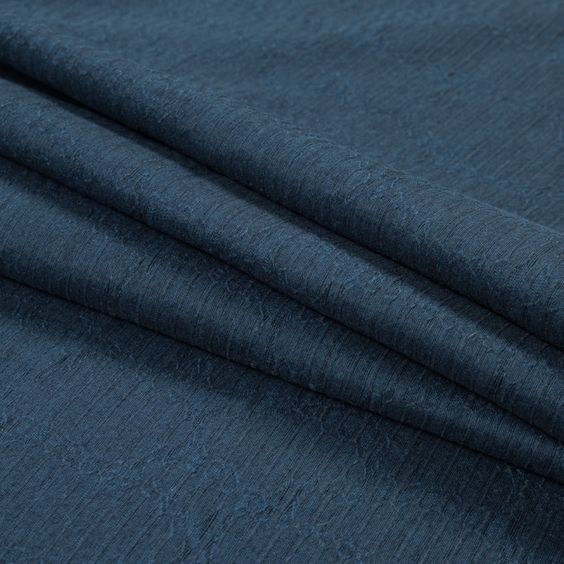
Fibre Diameter Changes the Pores in Nonwoven Fabric
Lenzing's fine and coarse lyocell variants create different nonwoven densities and flow characteristics.
-
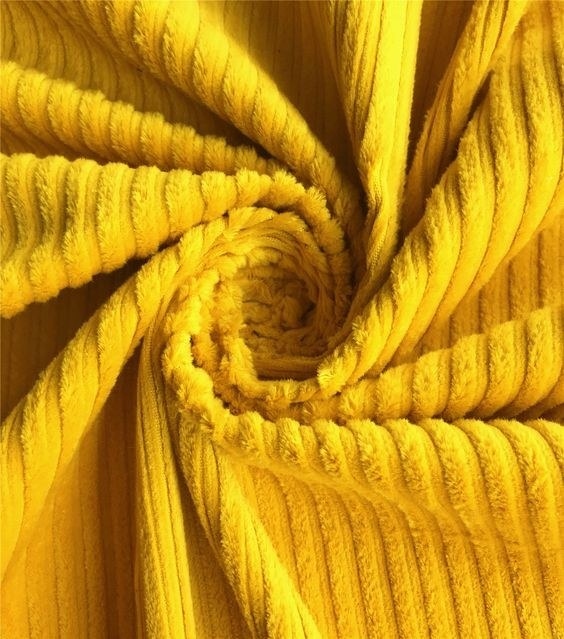
Understanding Twill Weave: Corduroy's Raised Ridges Have Their Own Vocabulary
Corduroy is a woven fabric with raised ridges known as wales. Twill refers to a weave rather than a single raw material.
-
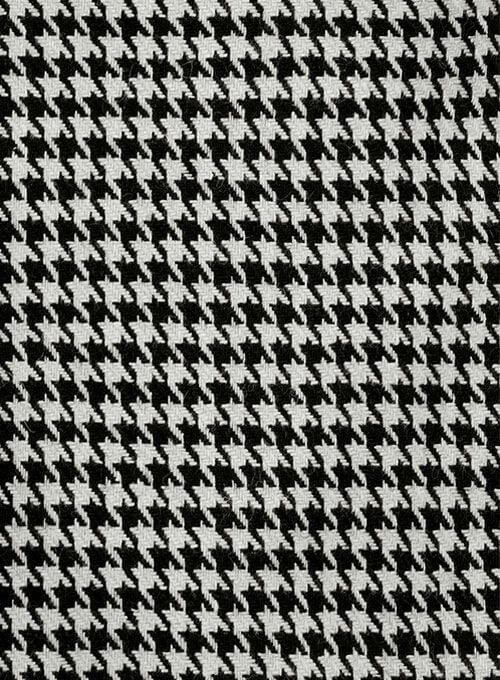
Understanding Twill Weave: Tweed's Rough Wool Surface Is Part of Its Character
Tweed is traditionally a wool textile associated with a coarse surface and weather-conscious outerwear. Twill refers to a weave rather than a single raw material.
-
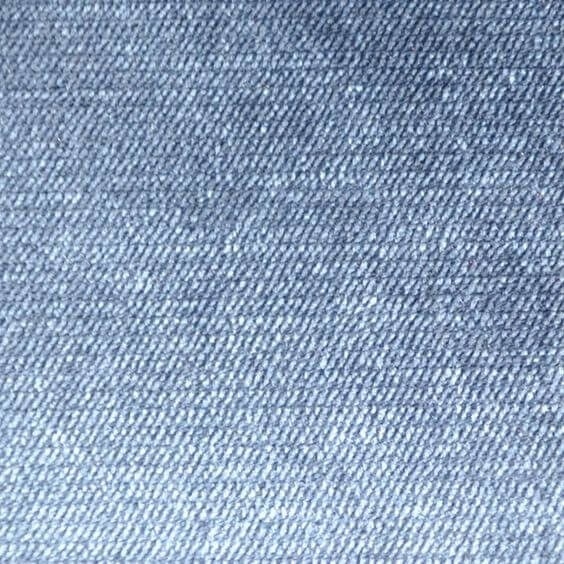
Understanding Twill Weave: Denim Combines a Warp-Faced Weave with Familiar Uses
Denim is associated with a warp-faced cotton weave and the diagonal structure familiar from jeans. Twill refers to a weave rather than a single raw material.
-

Wool Denim Collection Pairs Chambray, Twill and Jersey
Edward Crutchley's Wool Futures project explores different constructions within a denim-inspired wardrobe.
-
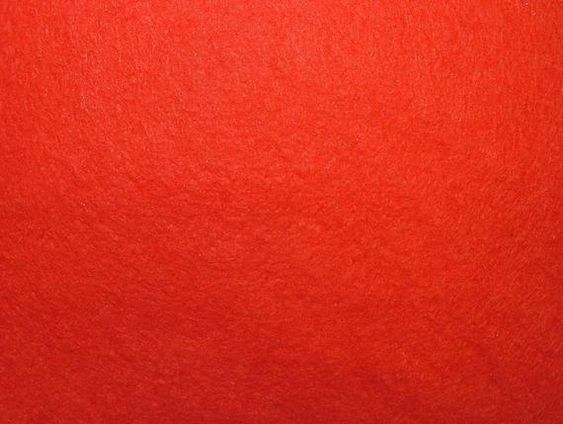
Woven, Knitted, and Other Structures: Felt Is Made Without Weaving or Knitting
Felt is a textile made by matting and consolidating fibers instead of interlacing yarns or forming knitted loops. Fabric structure and fiber composition are separate questions.
-
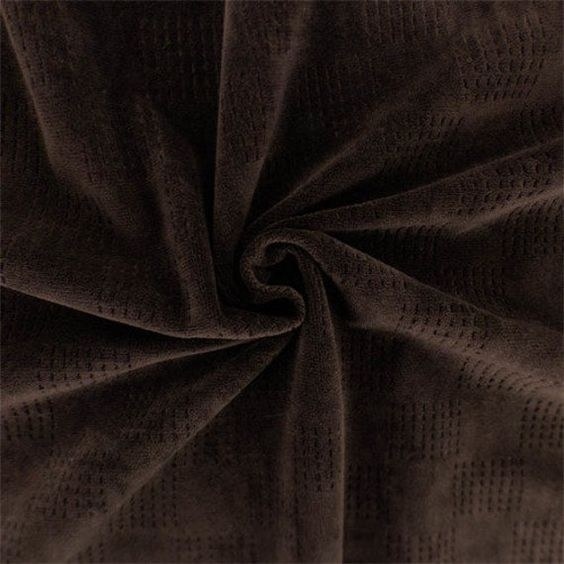
Woven, Knitted, and Other Structures: Velour Provides a Plush Surface Through Knitting
The source distinguishes velour from velvet by describing velour as a pile-knit fabric. Fabric structure and fiber composition are separate questions.
-
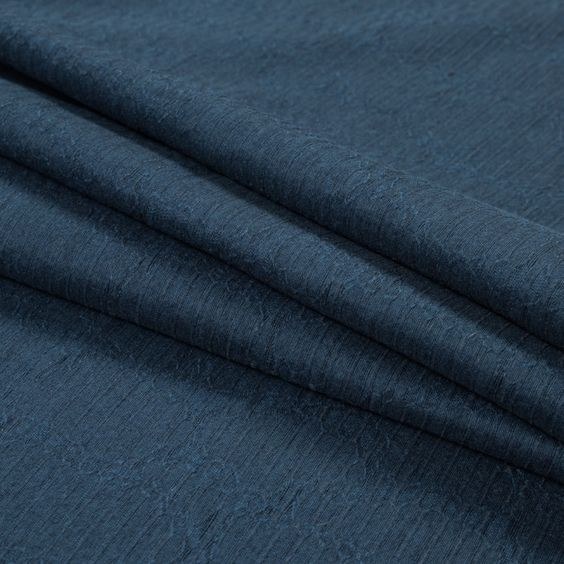
Cut Knitted Loops Form a Wool Faux-Fur Surface
Jersey structures can be cut, raised and brushed to develop a soft wool pile.
-
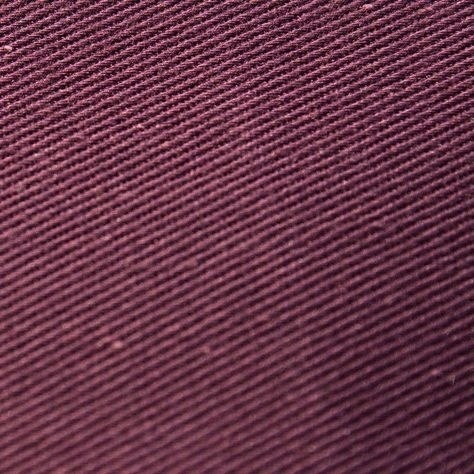
Woven, Knitted, and Other Structures: Twill Is Defined by Its Diagonal Weave
Twill is one of the main woven fabric structures. Fabric structure and fiber composition are separate questions.

