 FabricKnowledge Lab
A Guide to Fabric Surface Texture
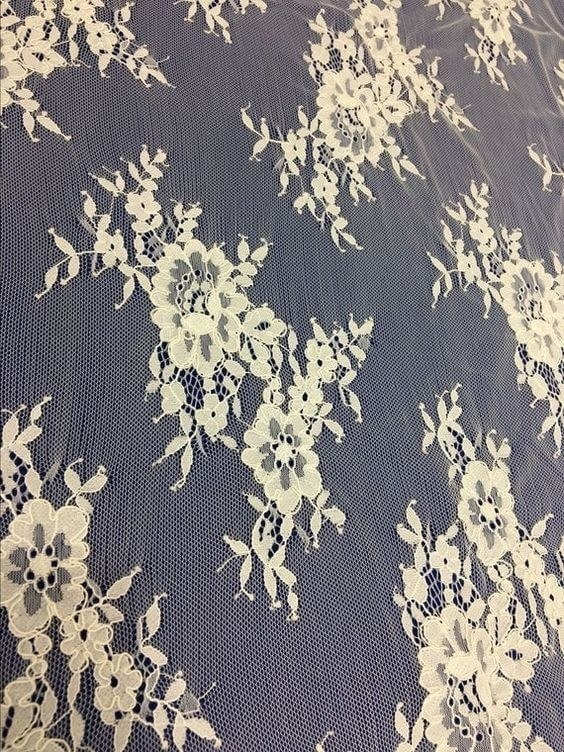
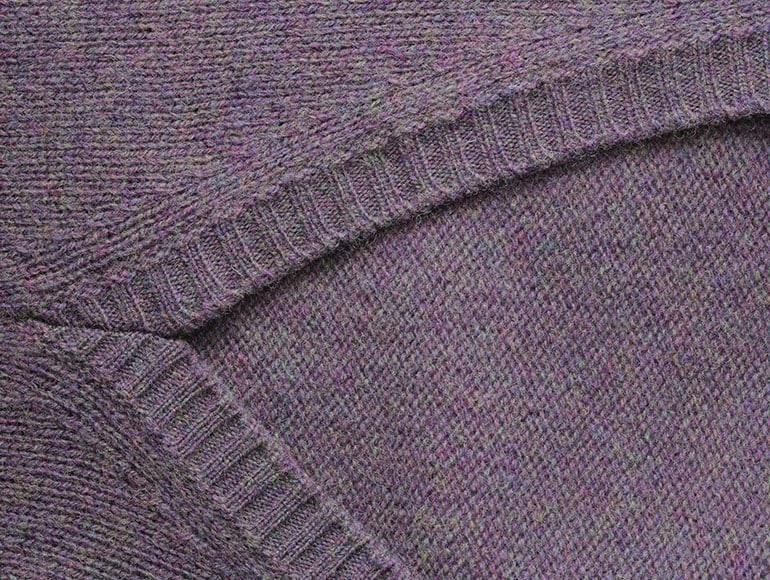
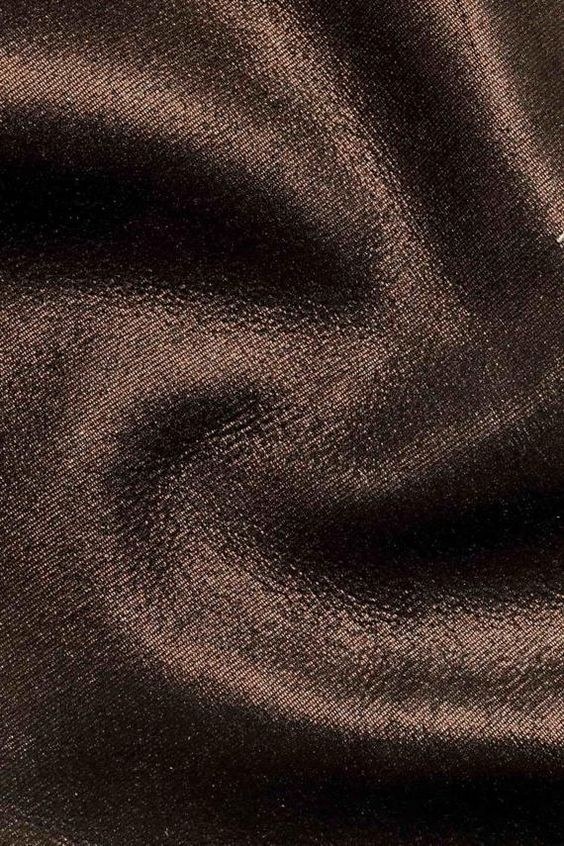
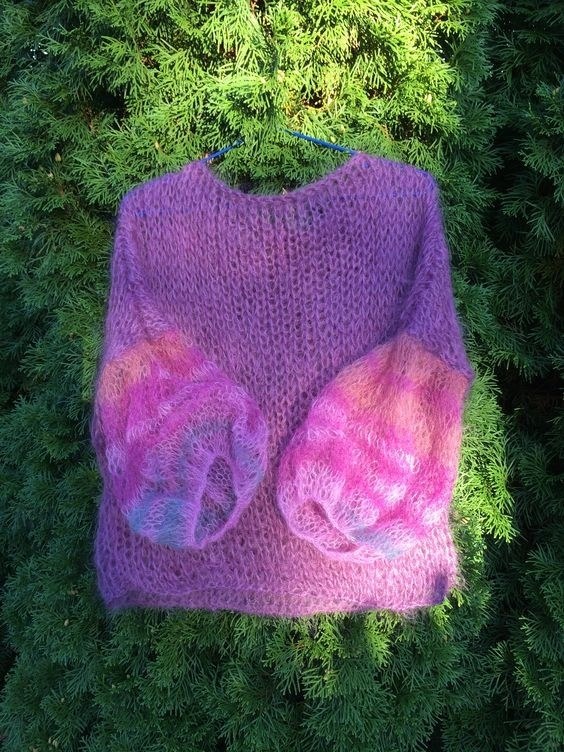
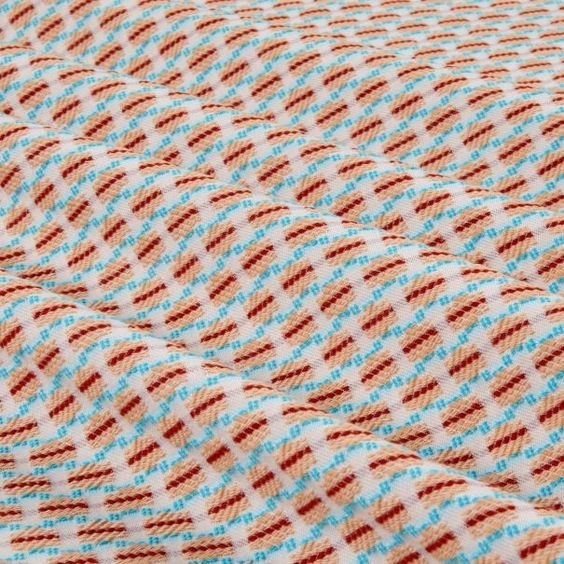
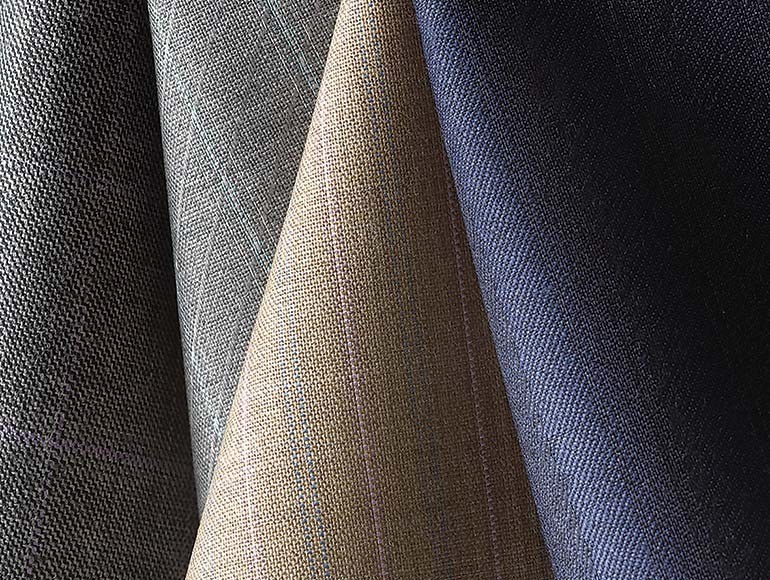
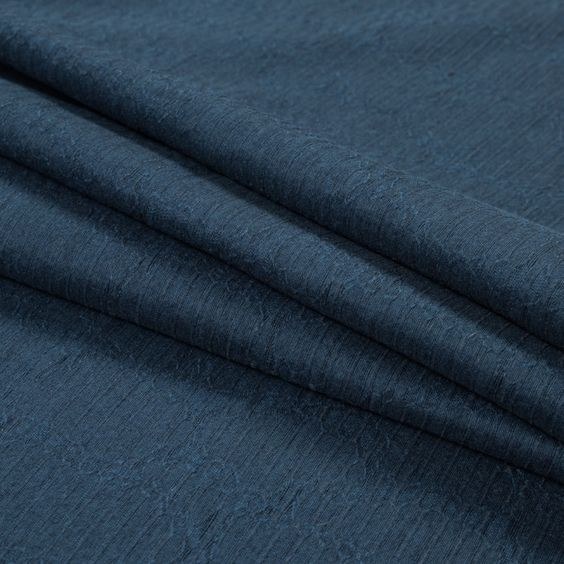
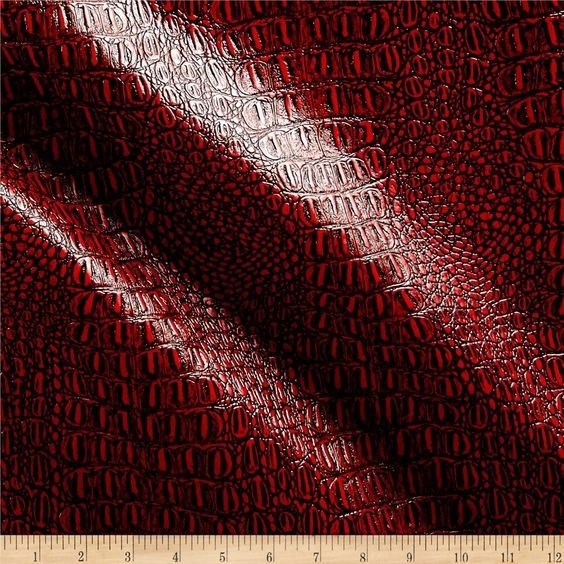
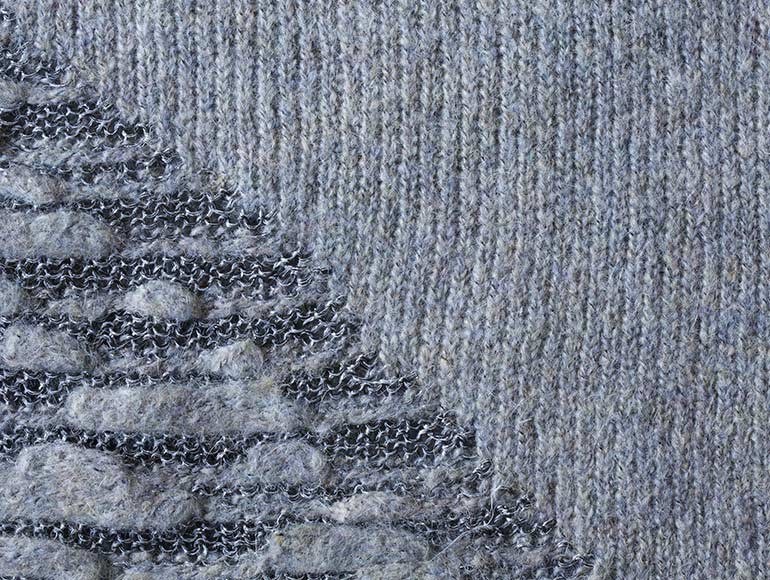
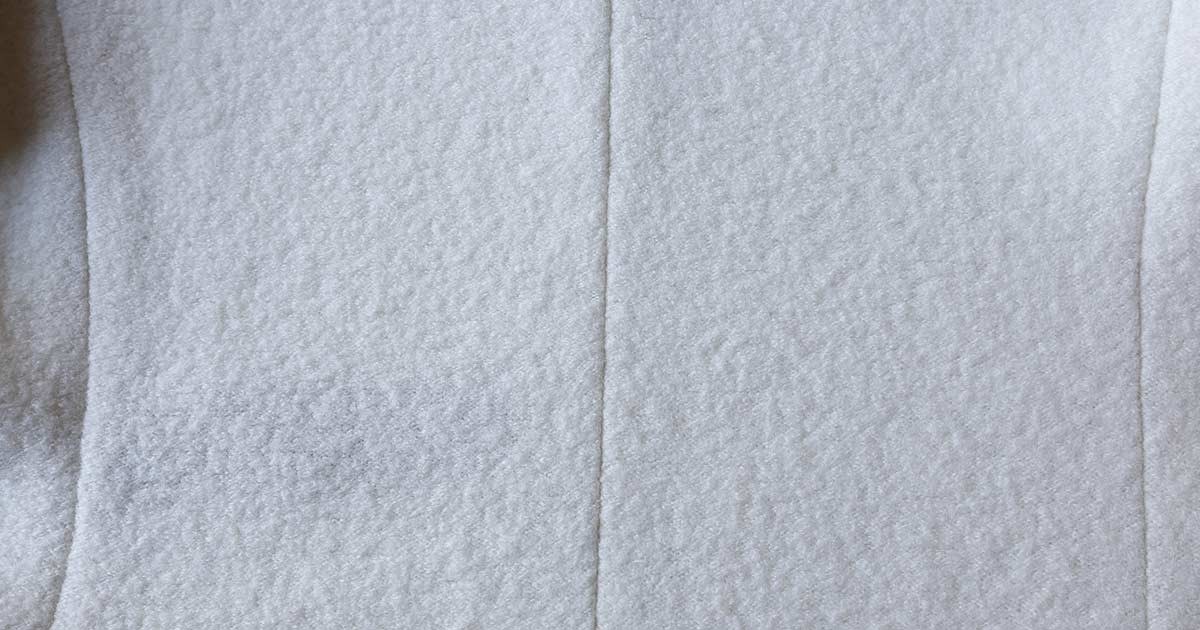
Texture can be created by woven pile, cut ridges, irregular yarns, knitted loops, or a processed leather surface. Those structures need different explanations even when they all feel soft or look raised. Identifying how the surface was formed provides a better basis for comparing fabrics than using smoothness as a single measure of quality.
A leather surface with a different feel
Suede is produced from the softer inner side of an animal hide rather than the smoother outer surface associated with many other leathers. The source describes its napped texture and use in footwear, jackets, gloves, and accessories. That surface is fundamentally different from a knitted loop or a woven pile.
Texture comes with practical trade-offs
Compared with smoother leather, suede is more vulnerable to moisture and staining. The source also discusses synthetic alternatives intended to imitate its feel. A suede-like appearance therefore does not confirm animal origin. For identification, distinguish genuine suede from an imitation and separate the visual texture from the actual composition before assuming how the material will behave.


Comments
0