 FabricKnowledge Lab
A Guide to Fabric Surface Texture
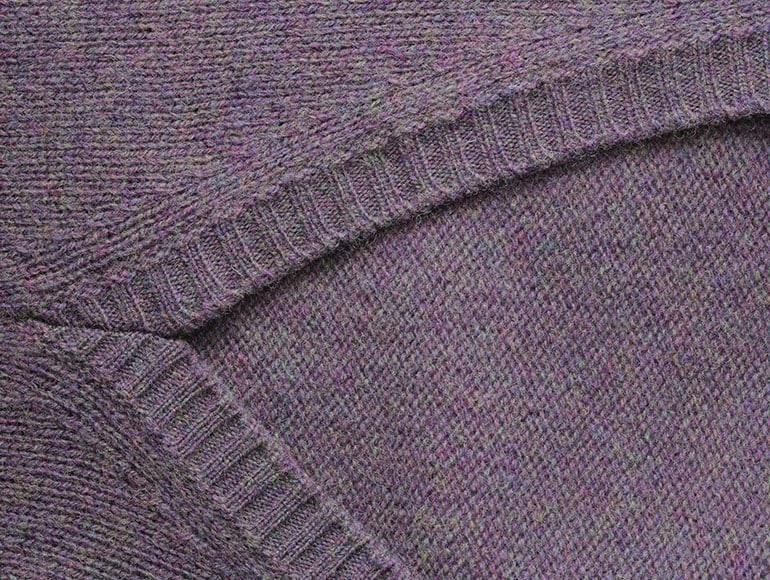
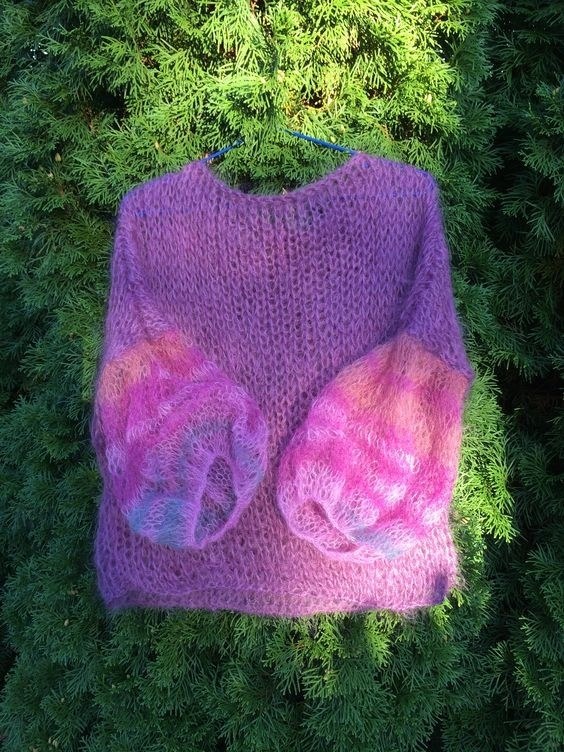
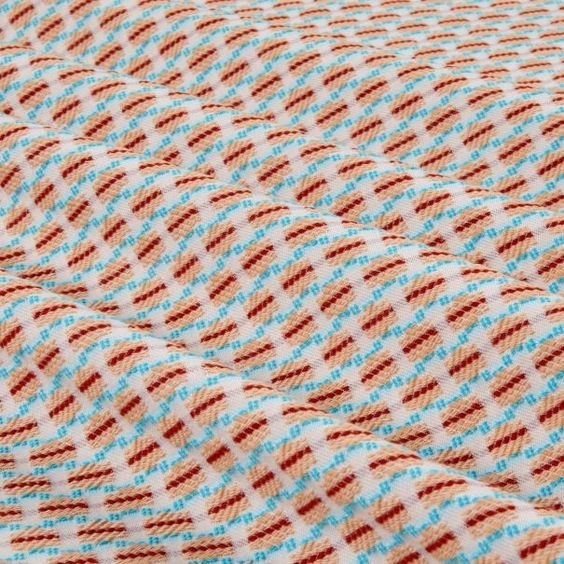
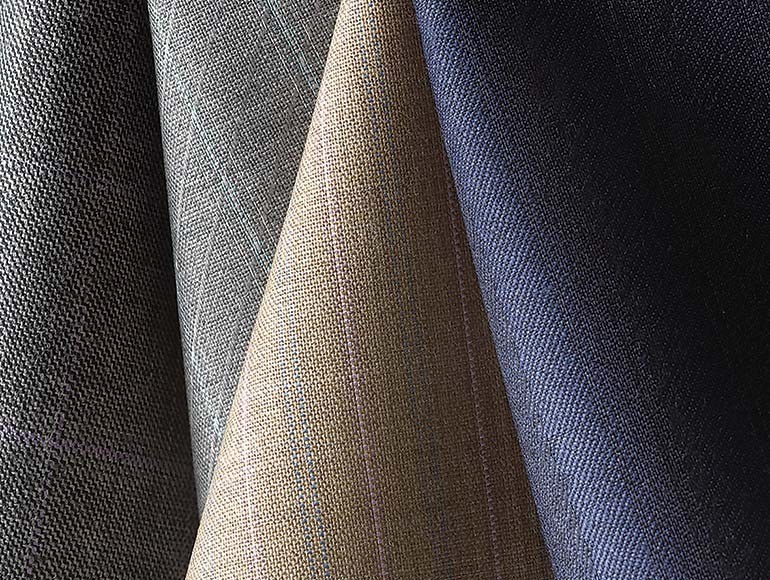
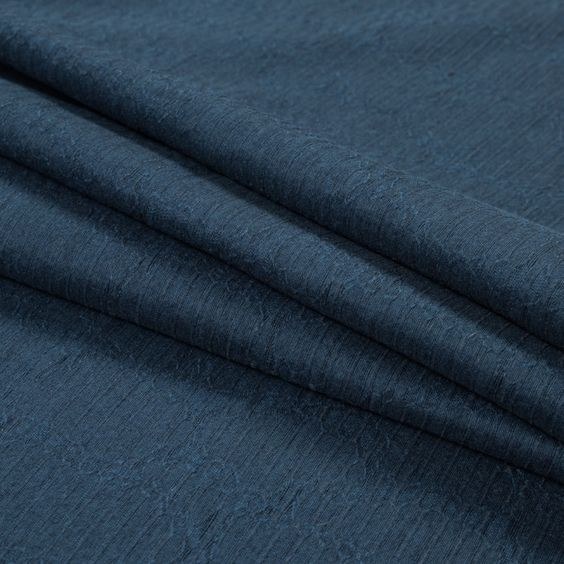
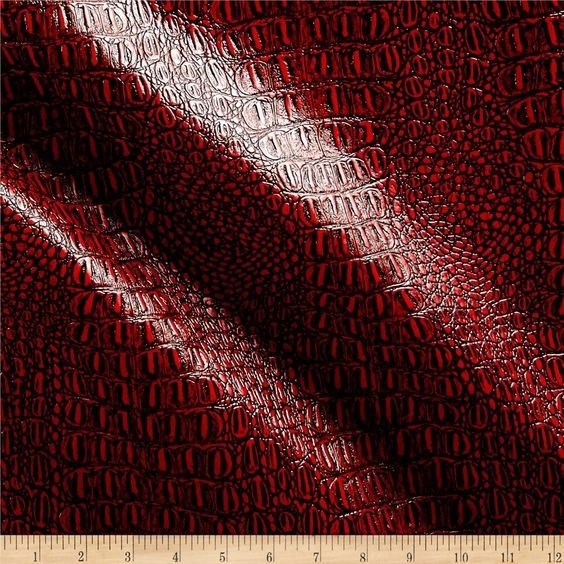
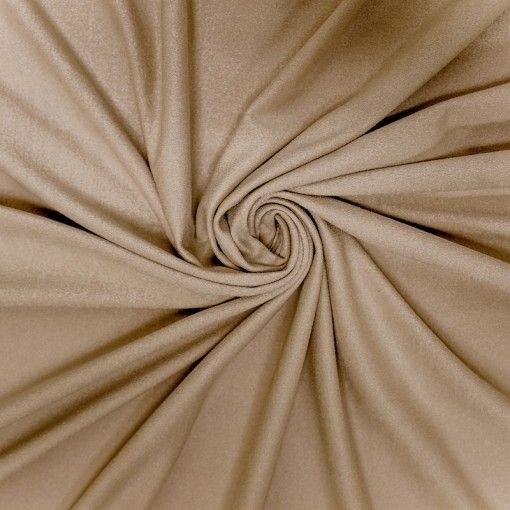
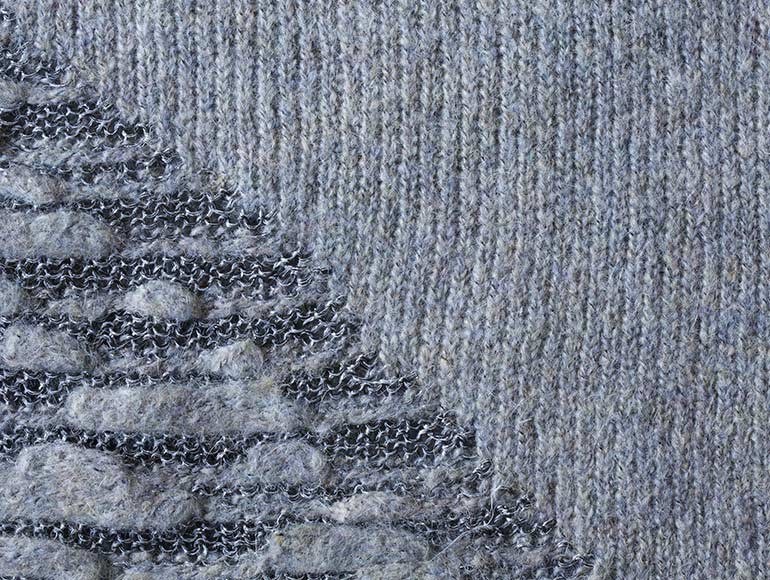
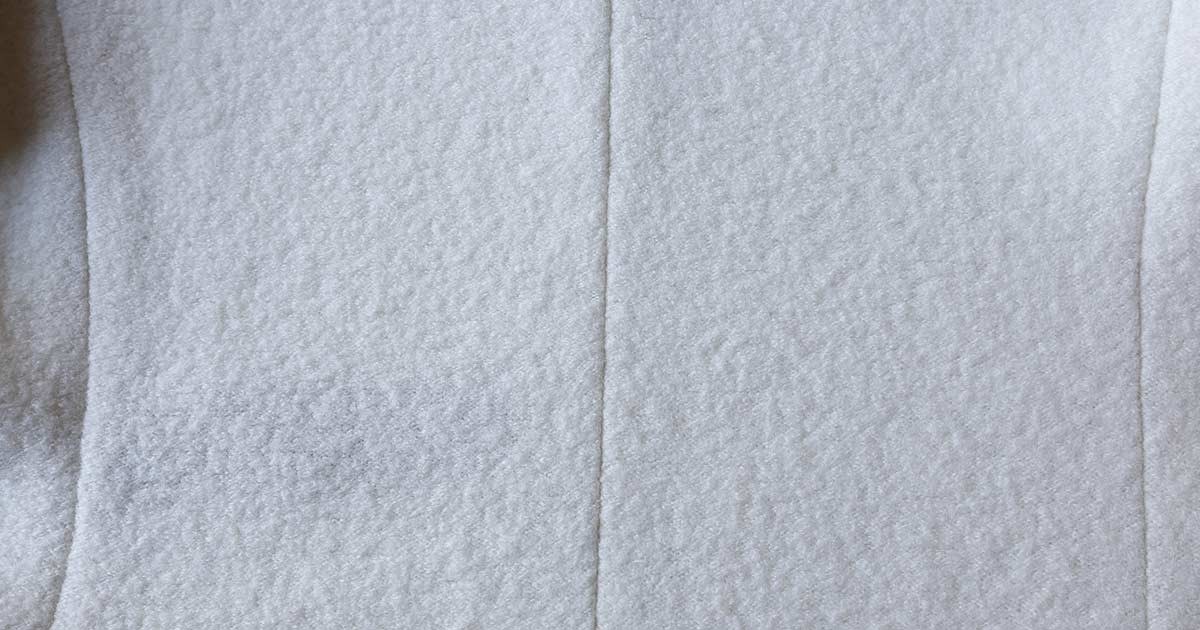
Texture can be created by woven pile, cut ridges, irregular yarns, knitted loops, or a processed leather surface. Those structures need different explanations even when they all feel soft or look raised. Identifying how the surface was formed provides a better basis for comparing fabrics than using smoothness as a single measure of quality.
A special woven construction
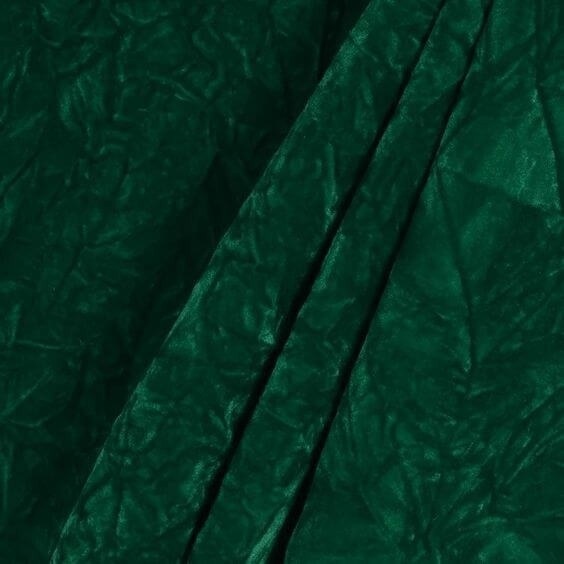
Velvet is known for a closely packed pile that creates its plush surface. The source describes a weaving process that makes layers of fabric before separating them to reveal the pile. Silk is historically important, but modern velvet can contain other fibers, including synthetics, so the surface alone does not identify the composition.
Similar appearance, different materials
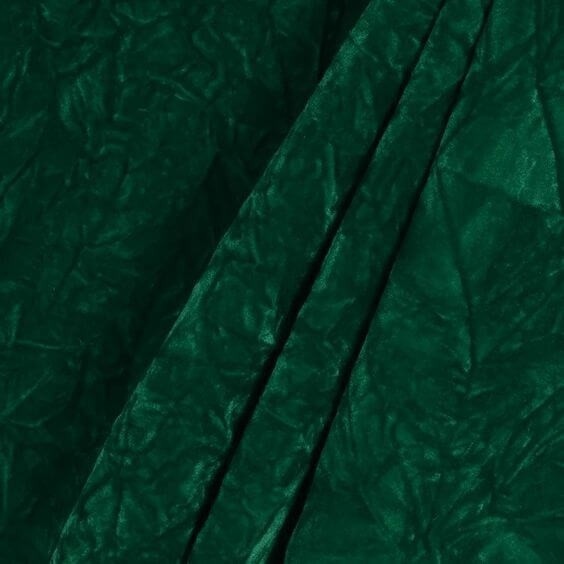
Velvet appears in clothing, upholstery, curtains, and decorative products. Its look can be shared by fabrics made from different raw materials, with changes in handle and practical use. The useful distinction is between the pile structure and the fiber used to form it. A plush finish tells you something about texture, while a full composition description supplies a separate part of the picture.



Comments
0