 FabricKnowledge Lab
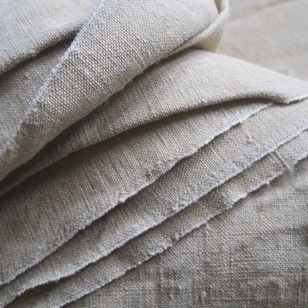
Linen and Cotton Comparisons
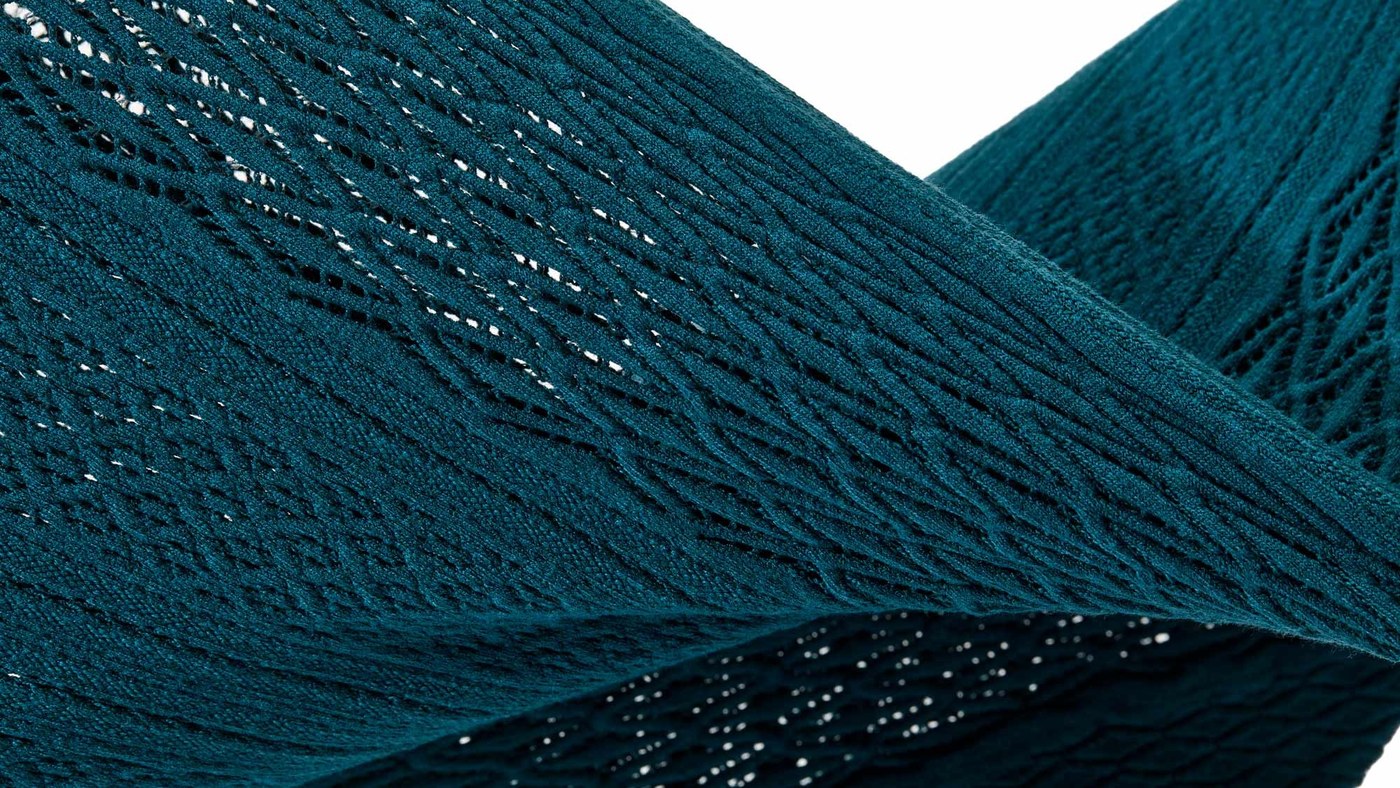
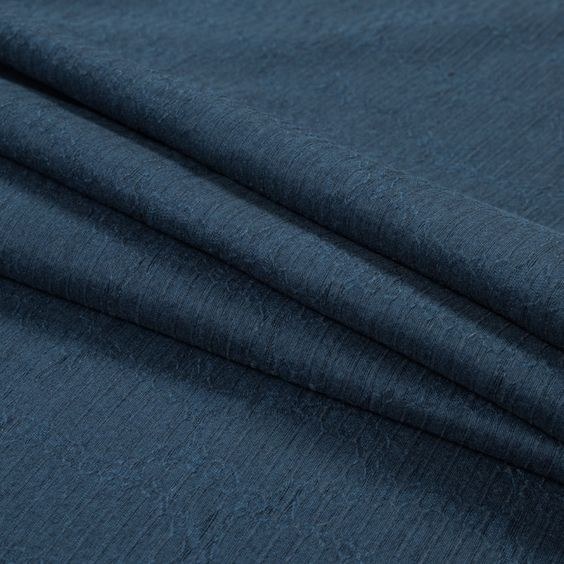
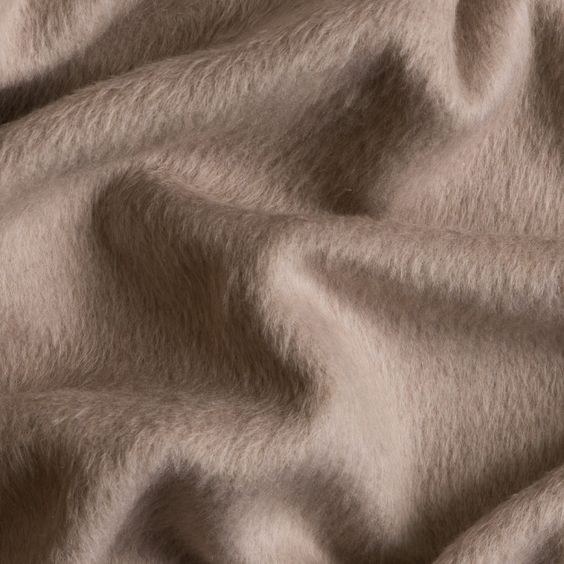
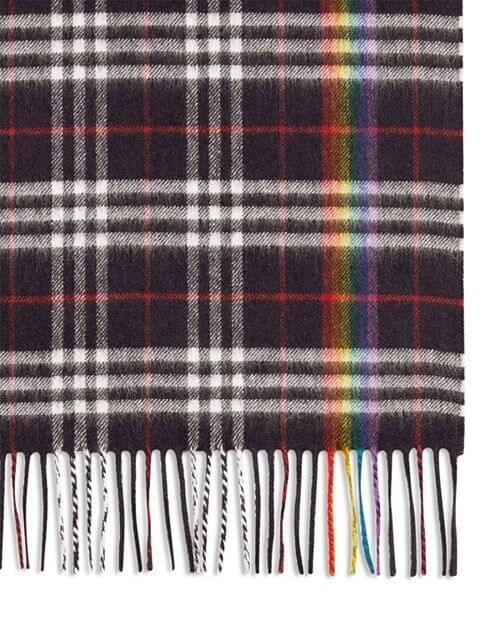
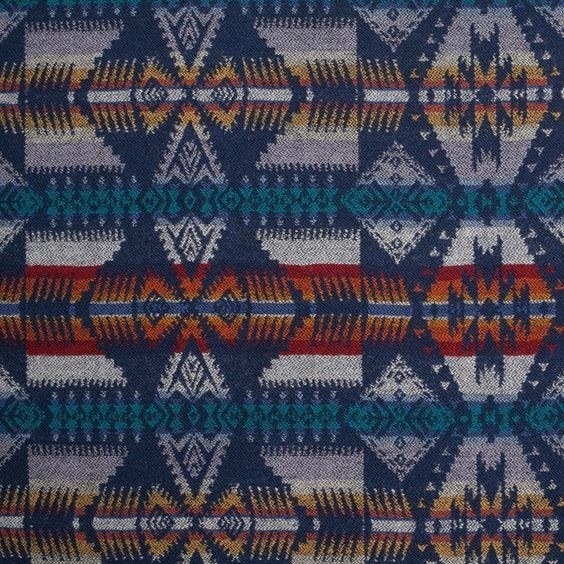
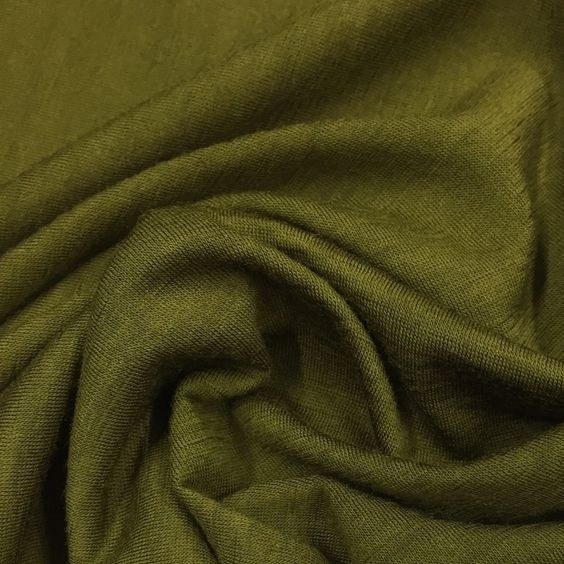
Comparing linen with cotton starts with the fiber source, but it should not end there. A fine cotton cloth and a heavier cotton garment do not provide the same point of comparison with linen. The construction examples below help separate differences caused by the fiber from differences created during textile production.
Separating the useful fibers
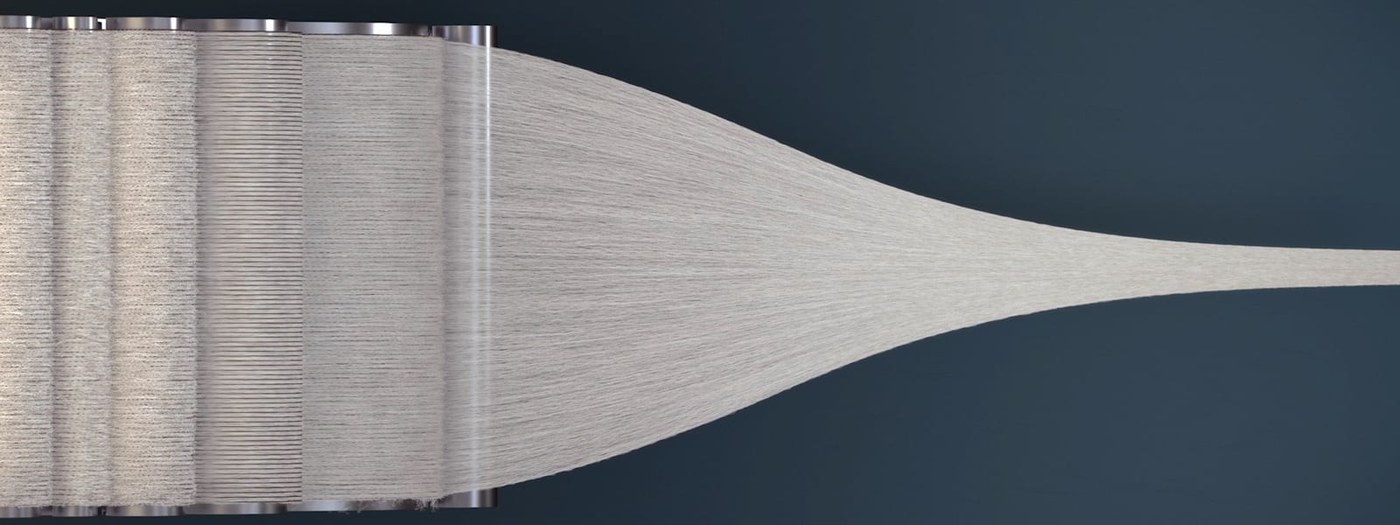
Textile hemp is made from bast fibers in the outer part of the plant's stalk. The woody inner material has other uses and is not the yarn-forming portion described in the source. Processing separates those long outer fibers so that they can become rope or yarn for woven fabric.
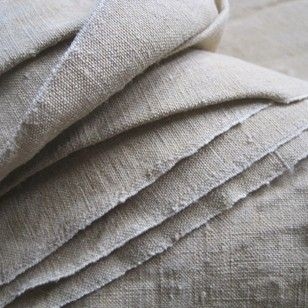
A durable textile option
Hemp has a history in demanding uses such as rope and sails as well as clothing. The source emphasizes fiber strength and the importance of distinguishing textile hemp from plants grown for other purposes. For fabric comparisons, the useful point is structural: hemp is a plant-stem fiber, while cotton comes from seed fibers. Similar natural origins do not make their textures or finished constructions identical.



Comments
0