 FabricKnowledge Lab
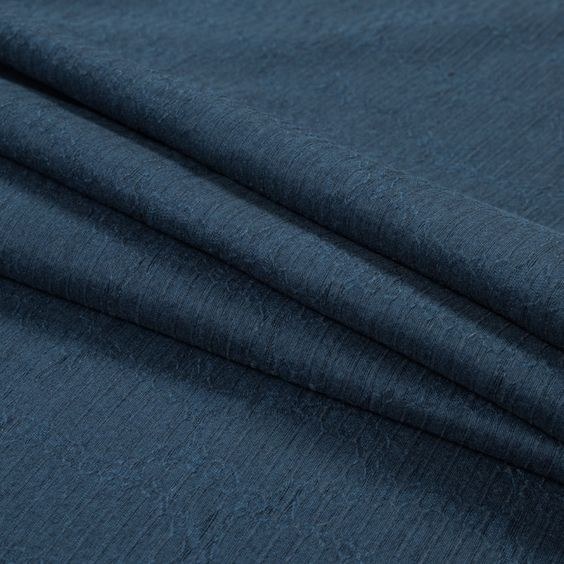
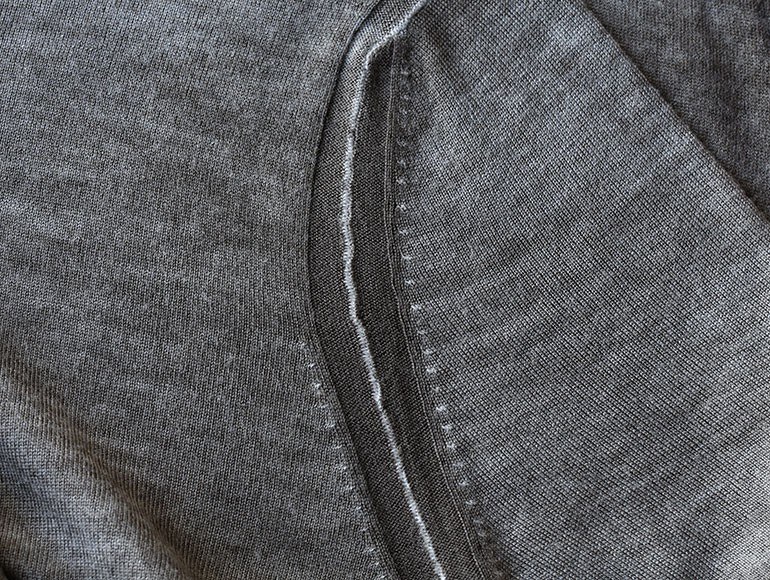
Digital printing applies color to a prepared wool fabric through inkjet heads. Woolmark explains that the initial coating helps prevent dyes from spreading and blurring the design. The printer then deposits small drops of dye in controlled combinations while the fabric stays steady on its transport belt.
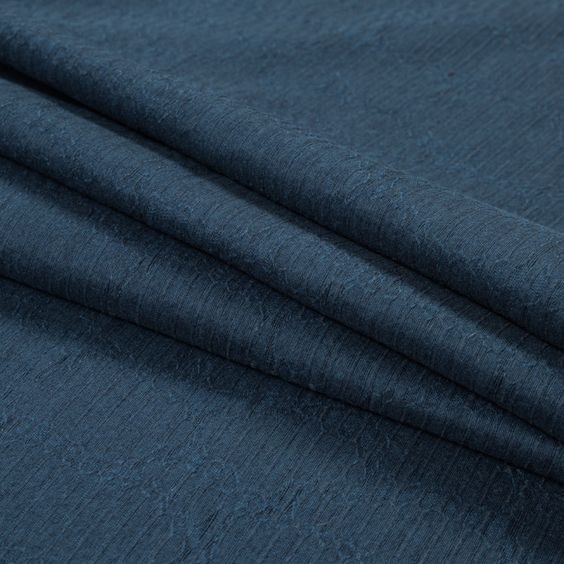
Heat setting makes the surface touch-dry, while steaming enables the dye to move into the fibers and form bonds. A later rinse removes preparation chemicals and excess dye that did not attach. These stages explain why a detailed printed image is more than surface decoration: preparation and fixation are important parts of making the design usable on wool cloth.






Comments
0