 FabricKnowledge Lab
Linen and Cotton Comparisons
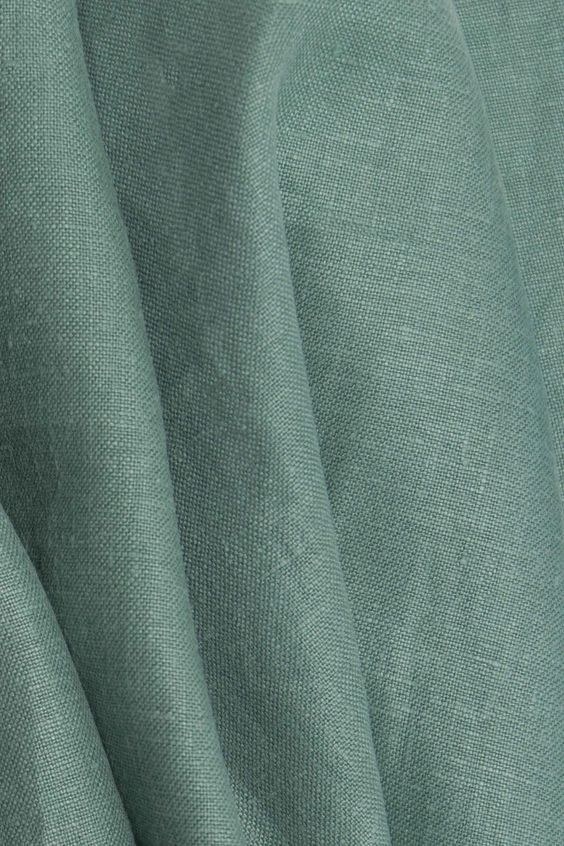
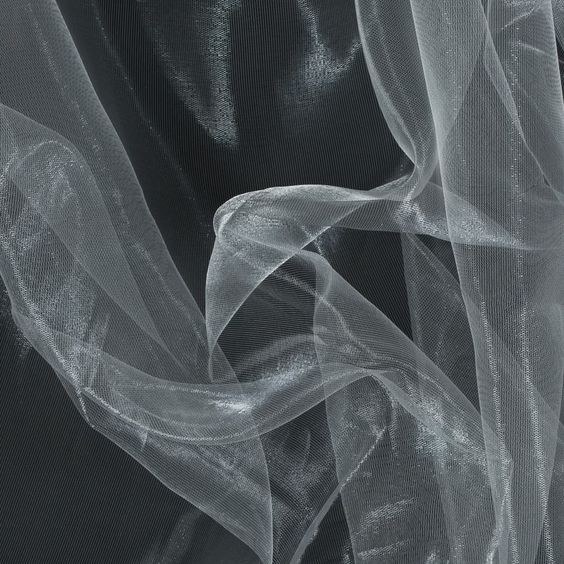
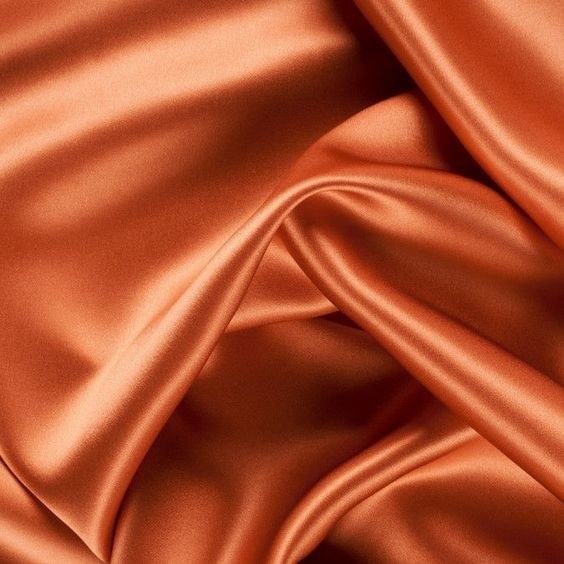
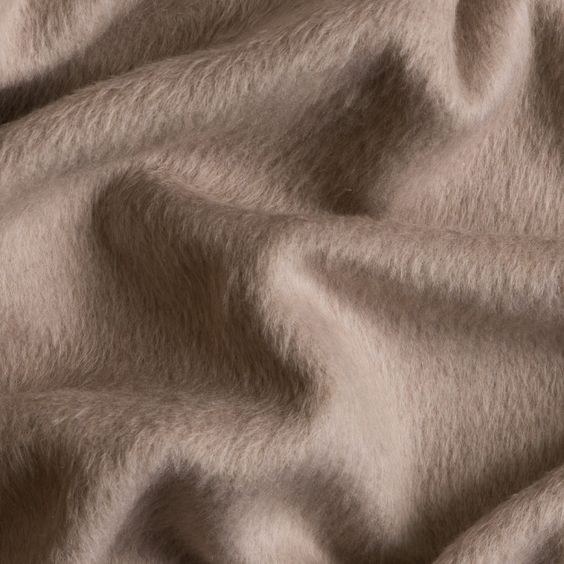
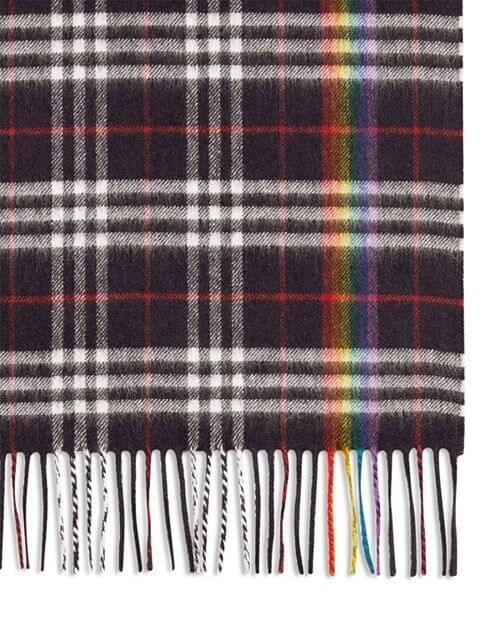
Comparing linen with cotton starts with the fiber source, but it should not end there. A fine cotton cloth and a heavier cotton garment do not provide the same point of comparison with linen. The construction examples below help separate differences caused by the fiber from differences created during textile production.
A different plant fiber
Linen is made from fibers in flax stems. Cotton instead comes from fibers surrounding seeds, so the two materials begin with different structures even when both are used for summer clothing. Linen has a long history in garments and household textiles, and its production requires several stages to separate useful fibers from the plant.
Comfort in warm conditions
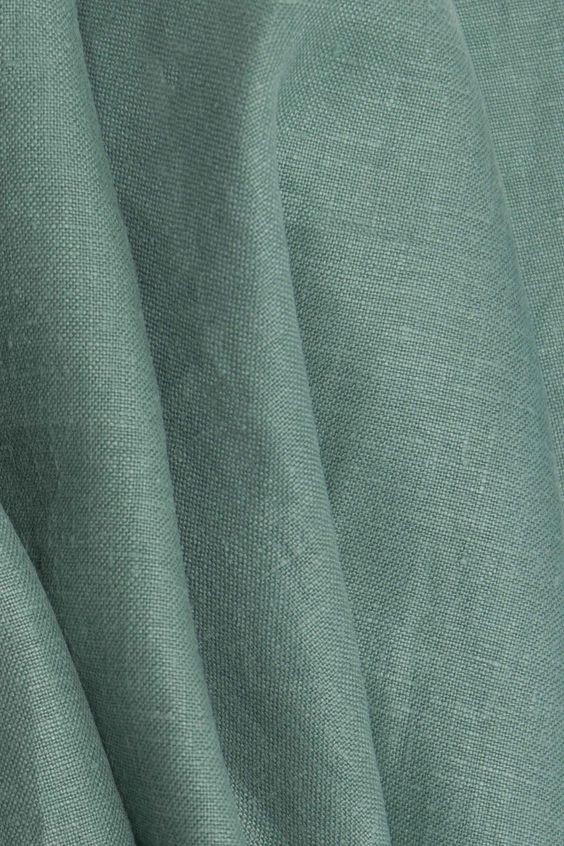
The source highlights linen's breathability and relatively quick drying, which help explain its appeal in hot or humid weather. Its character should be assessed as a combination of fiber and fabric construction, rather than a promise that every linen garment feels identical. A lightweight linen piece and a heavier household textile can share the same raw material while behaving differently.





Comments
0